

21 Brilliant Things to Do in Barcelona (By a Local)

After living in Barcelona for four years, I’ve done pretty much everything there is to do in the city. And there’s a lot!
One of the reasons I love this city so much is because no matter what time of year you visit, or what you’re interested in, you’ll find lots to keep you entertained.
This is not an extensive list of everything to do in Barcelona, but the things that I think are worth your time and money from my personal experience.
The best things to do in Barcelona
1. La Sagrada Família
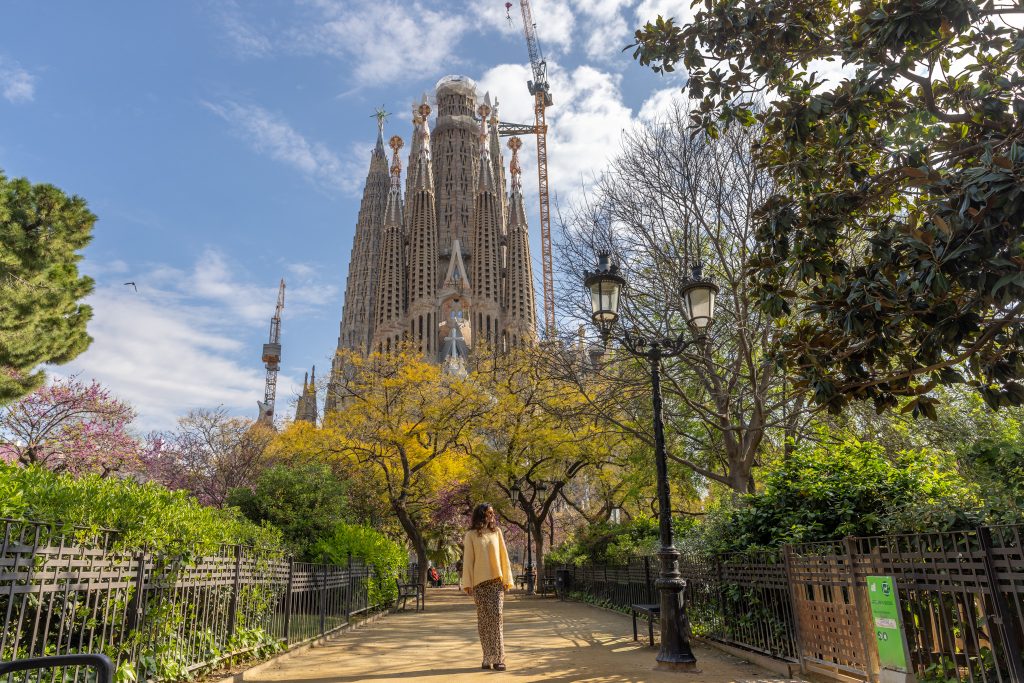
I have to start this list with Barcelona’s most iconic landmark, La Sagrada Família. This spectacular church is Catalan architect Antoni Gaudí’s most famous creation.
Work started in 1882 and, after 144 years of construction, it’s finally due to be completed this year!
The Sagrada is stunning from the outside, so you could easily wander around and be done with it, but I would really recommend going inside to properly experience it.
Gaudí designed it to feel like a stone forest, with the columns inspired by the shape of trees, branching out at the top to represent the leaves. It’s an architectural masterpiece and entirely different to any other church I’ve seen.
Late afternoon is my favourite time to visit, when the sunlight streams through the stain glass windows and produces a beautiful golden glow.
Tickets for the Sagrada Família sell out well in advance. Do not leave it until you’re in Barcelona to get your ticket because you’ll probably miss out. If you want to go inside, make sure you book your tickets.
Opening Hours
Monday – Saturday: 09:00 – 18:00
Sunday: 10:30 – 18:00
Getting there
The closest metro station is Sagrada Família (L2 and L5).
2. Park Güell
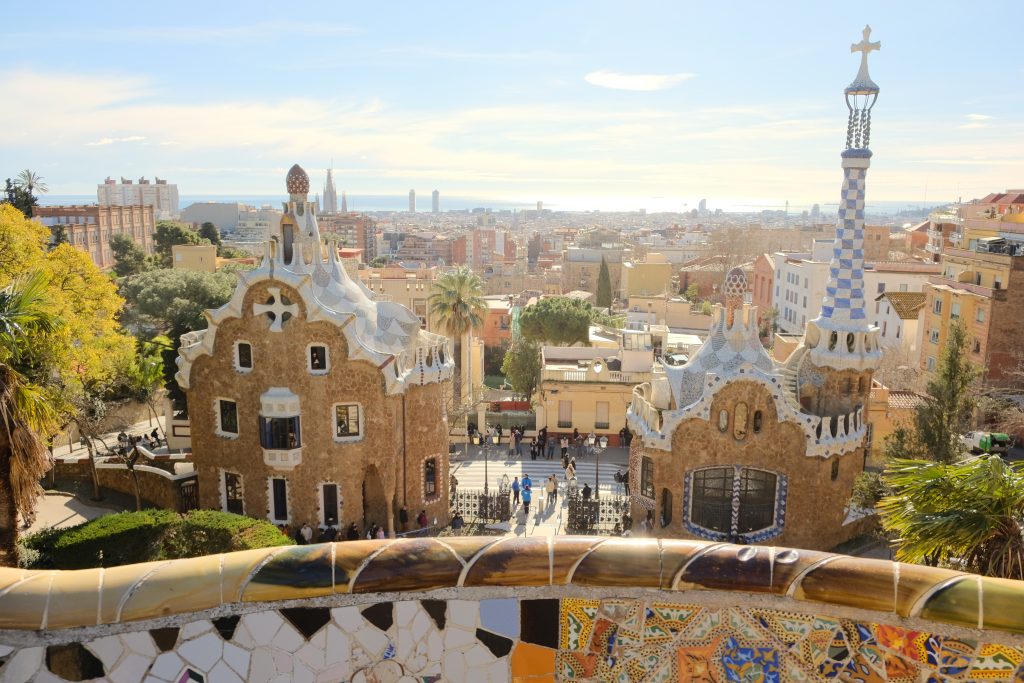
Park Güell is another Gaudí creation. It was commissioned by Catalan entrepreneur Eusebi Güell as an exclusive housing estate for Barcelona’s elite, but the project didn’t go to plan and it eventually opened as a public park.
The architecture is vibrant and quirky and it’s a chance to see Gaudi’s style and creativity come to life. He actually lived in the park for twenty years, and you can visit his former home, although this does require an additional ticket.
If you’re a Barcelona resident, you can get free entry to Park Güell with the Gaudir Mes programme. As long as you have a digital certificate or Cl@ve, you can sign up online.
If you’re visiting the city, make sure you buy your tickets in advance as they do sell out, especially in the summer months.
Opening Hours
Monday – Sunday: 09:00 – 20:00
Getting there
The closest metro station is Lesseps (L3) and Vallcarca (L3), but I’d recommend Vallcarca as you can then take the escalators up to Park Güell and skip the steep uphill walk.
3. Casa Batlló
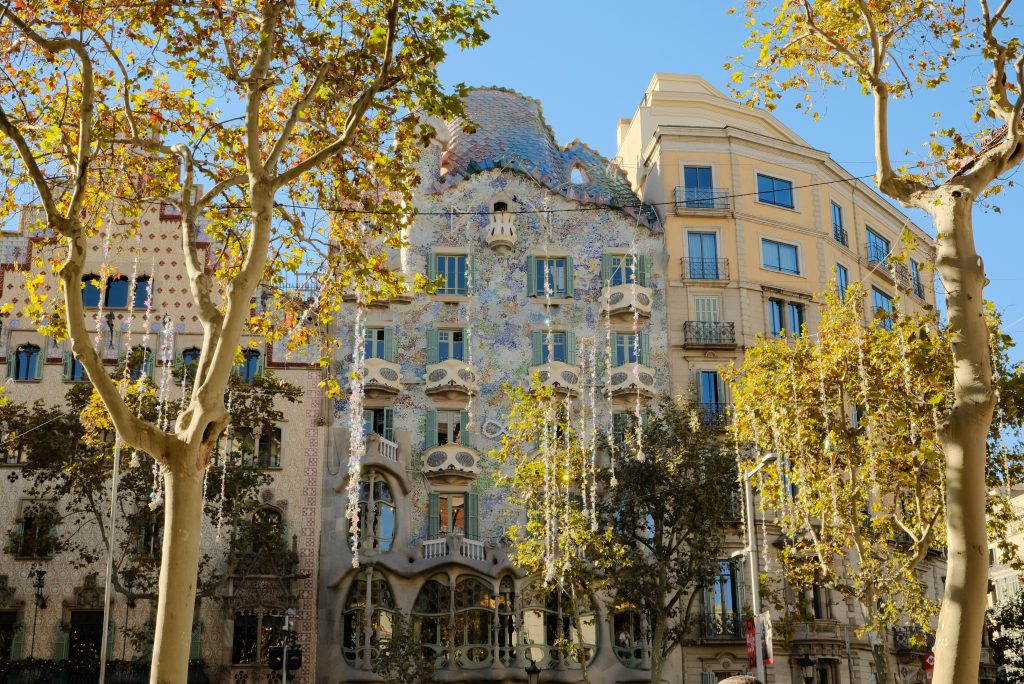
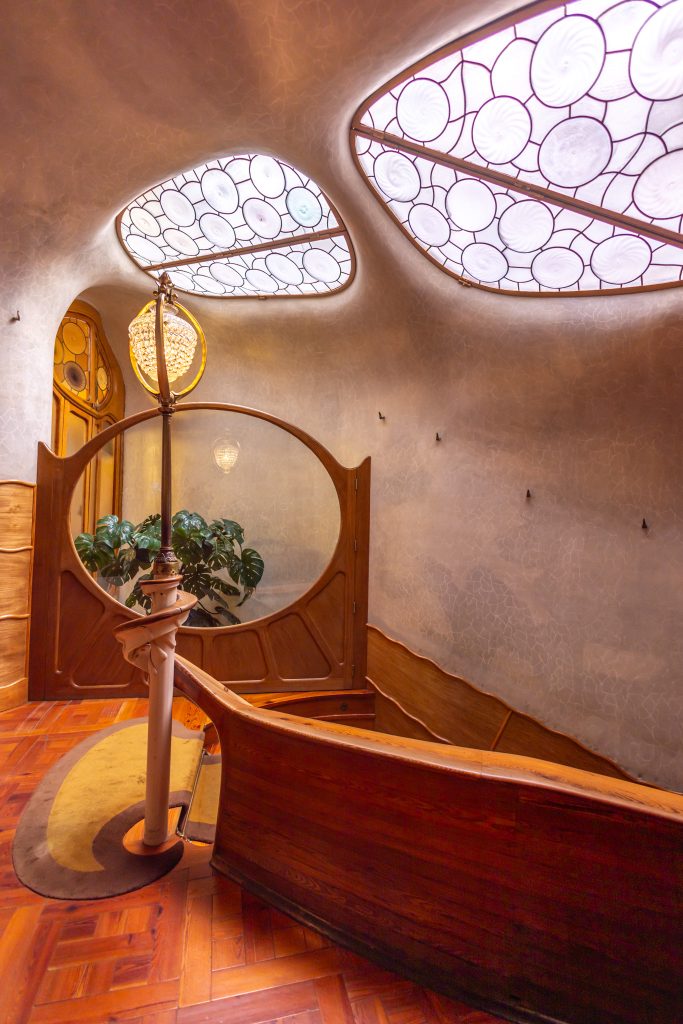
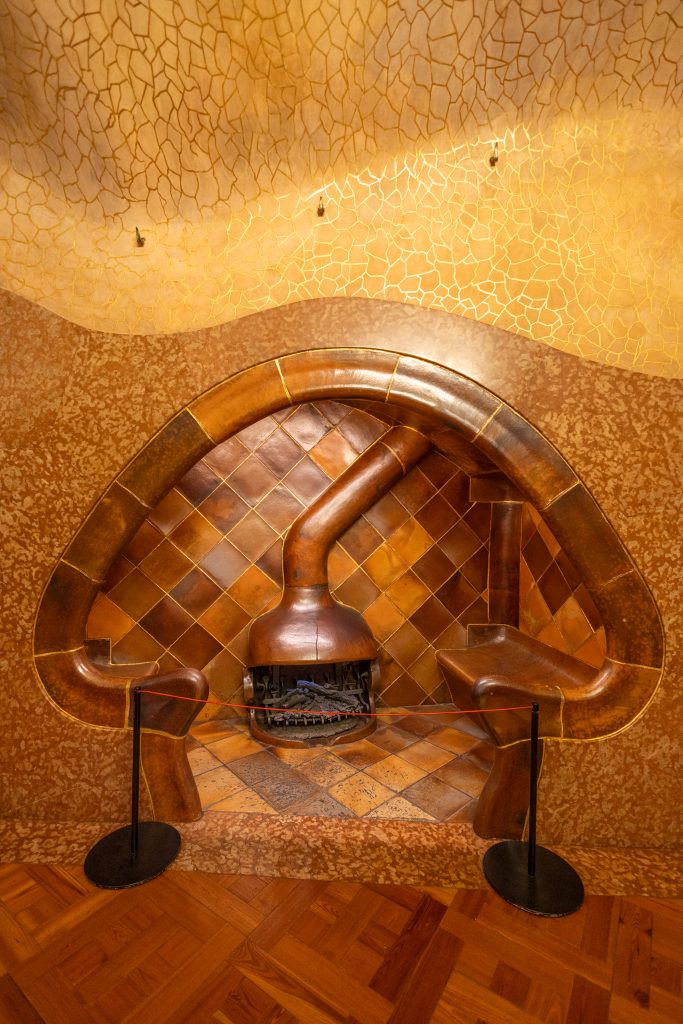
Casa Batlló is one of Gaudí’s residential projects, designed for the Batlló family in 1904. The Batlló’s gave Gaudí total creative freedom to remodel their home however he liked.
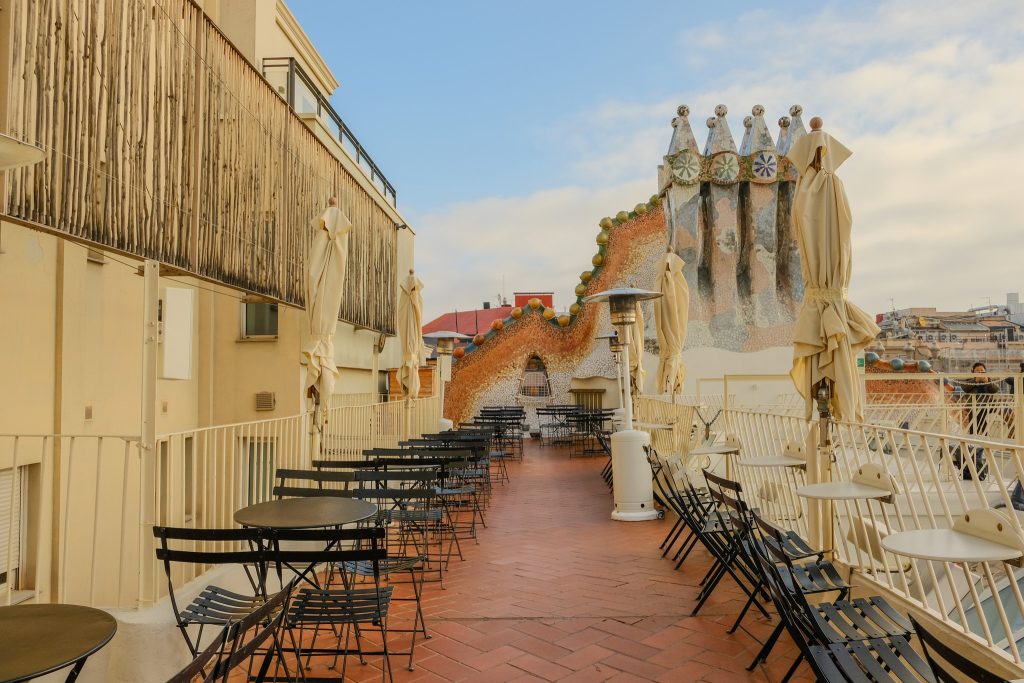
It’s often referred to as the “house of bones” because of its skeletal balconies and its roof that resembles the spine of a dragon.
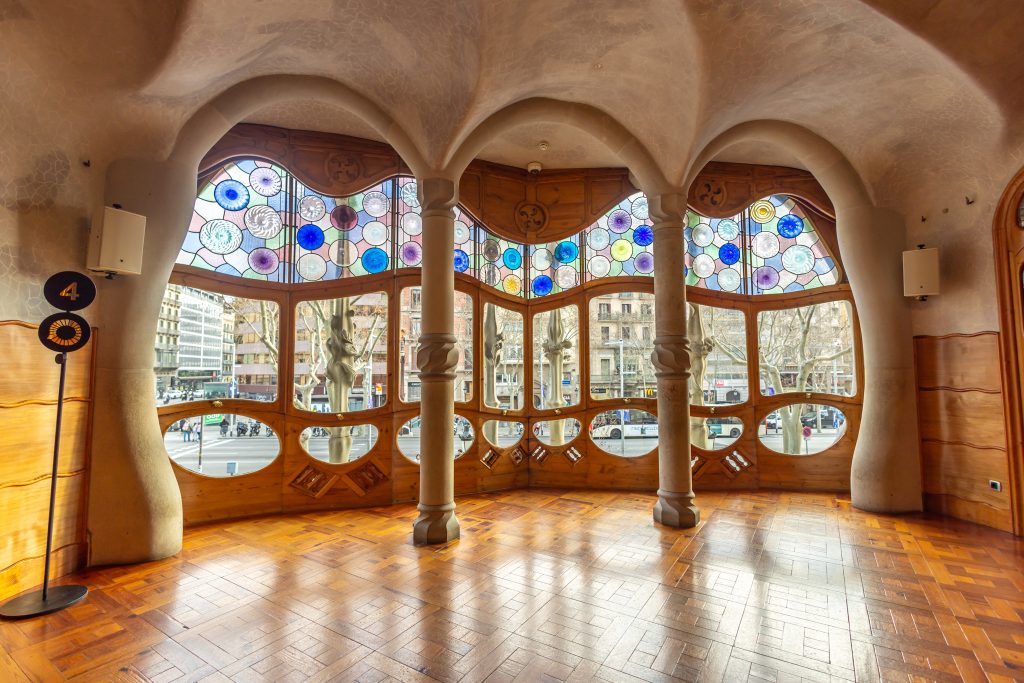
It’s even quirkier on the inside, with winding staircases, wonky fireplaces, colourful tiles and stain glass windows.
Casa Batlló is one of the most popular attractions in Barcelona and there’s always a long line outside, so you need to book your tickets in advance.
I’d recommend getting a ‘Be the First’ ticket, which gives you entry before it opens to the public, as well as access to the rooftop, the Batlló private residence, and an augmented reality tablet where you can see what the rooms looked like when the Batlló family lived there.
Opening Hours
Monday – Sunday: 08:30 – 22:30
Getting there
The closest metro station is Passeig de Gràcia (L2, L3 and L4). Take the Aragó exit to be closest to Casa Batlló.
4. Casa Amatller
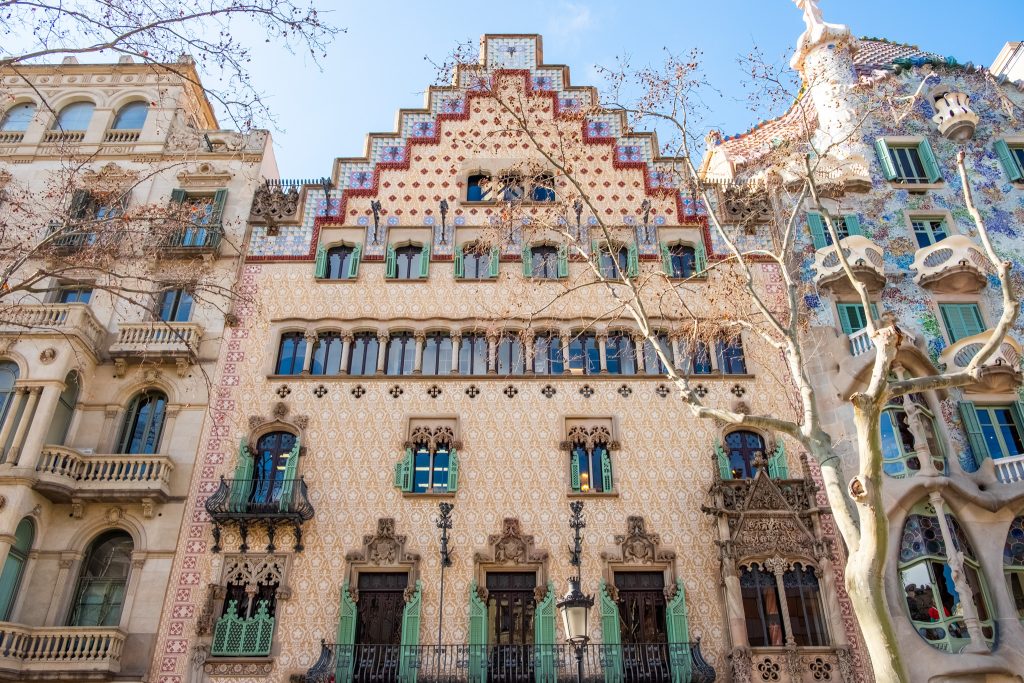
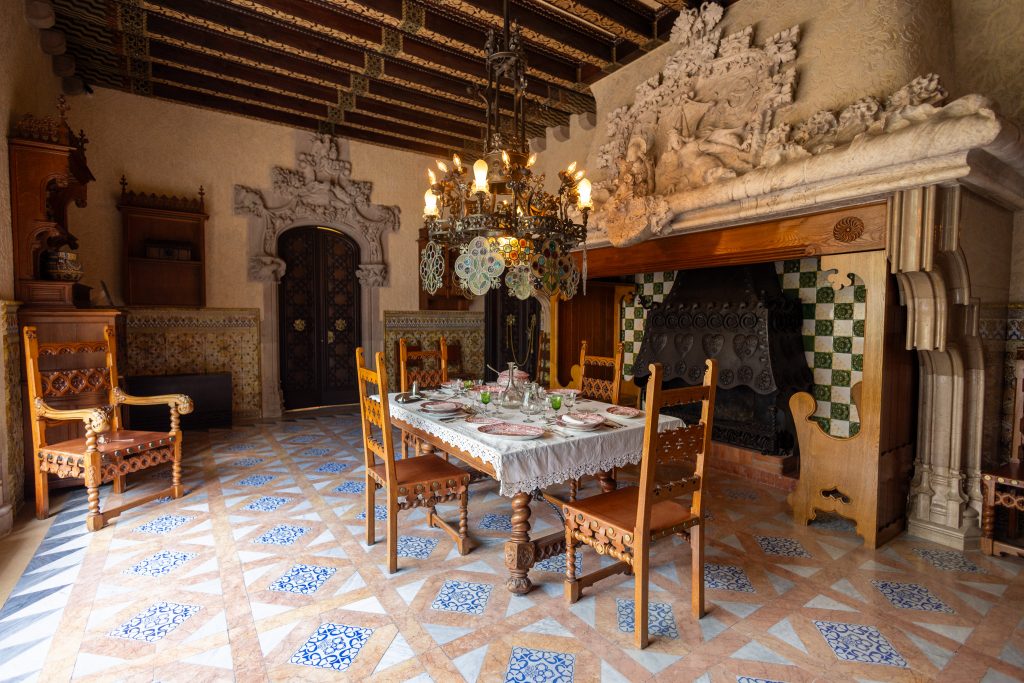
Next door to Casa Batlló is Casa Amatller, a modernist style building designed by the Catalan architect Josep Puig i Cadafalch for Antoni Amatller, a famous chocolatier.
Unlike a lot of the other places on this list, Casa Amatller still has most of its original furniture, you can even see personal items like suitcases, cameras and drawings that belonged to the family.
That’s all down to Teresa Amatller, Antoni’s daughter, who donated the house to a foundation after her death, stating that it needed to be preserved as a museum of her families life.
Teresa was very well travelled, spoke multiple languages, never married, and drove a car, which was very unheard of for women at the time. Basically, she was the original independent woman and her story is fascinating.
If you’re only in Barcelona for a couple of days, this wouldn’t be top of my list of recommendations. But if you’ve got longer in the city, or you’re a big design lover, then it’s definitely worth seeing.
Opening Hours
Monday – Sunday: 10:00 – 19:00
Getting there
The closest metro station is Passeig de Gràcia (L2, L3 and L4). Take the Aragó exit to be closest to Casa Amatller.
Looking for more things to do in Barcelona?
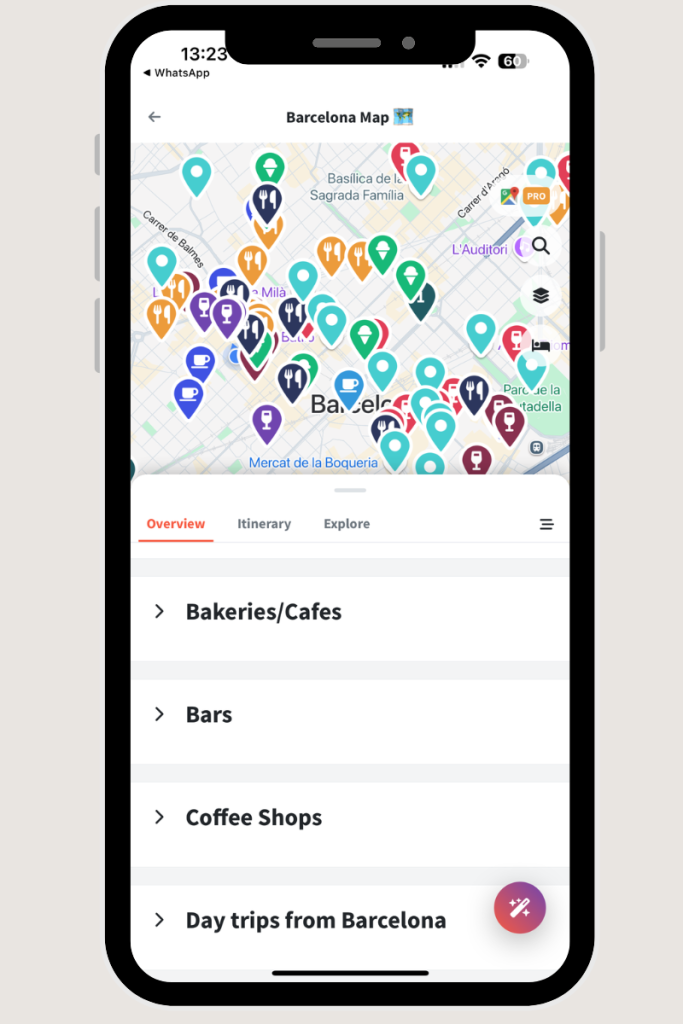
Get my Barcelona map
My Barcelona map has over 100+ of my favourite places in Barcelona, on an easy to use interactive map.
The map includes things to do, day trips, bakeries, restaurants, tapas spots, rooftop bars, wine bars, cocktail bars, hotels, quick bites and coffee shops.
Get my Barcelona map
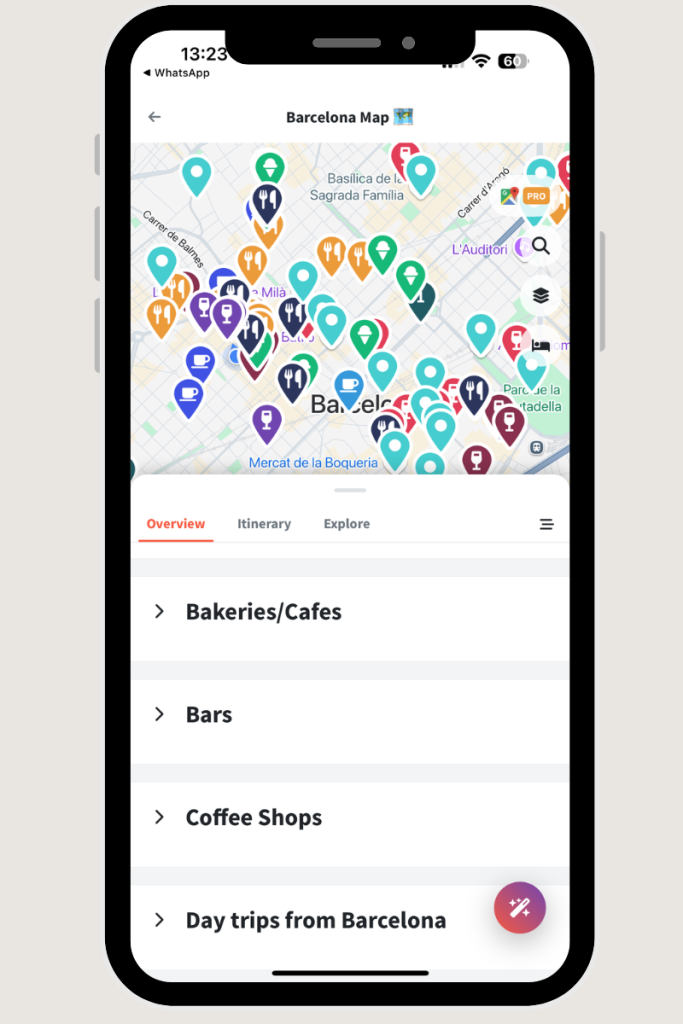
My Barcelona map has over 100+ of my favourite places in Barcelona, on an easy to use interactive map.
The map includes things to do, day trips, bakeries, restaurants, tapas spots, rooftop bars, wine bars, cocktail bars, hotels, quick bites and coffee shops.
5. Casa Mila
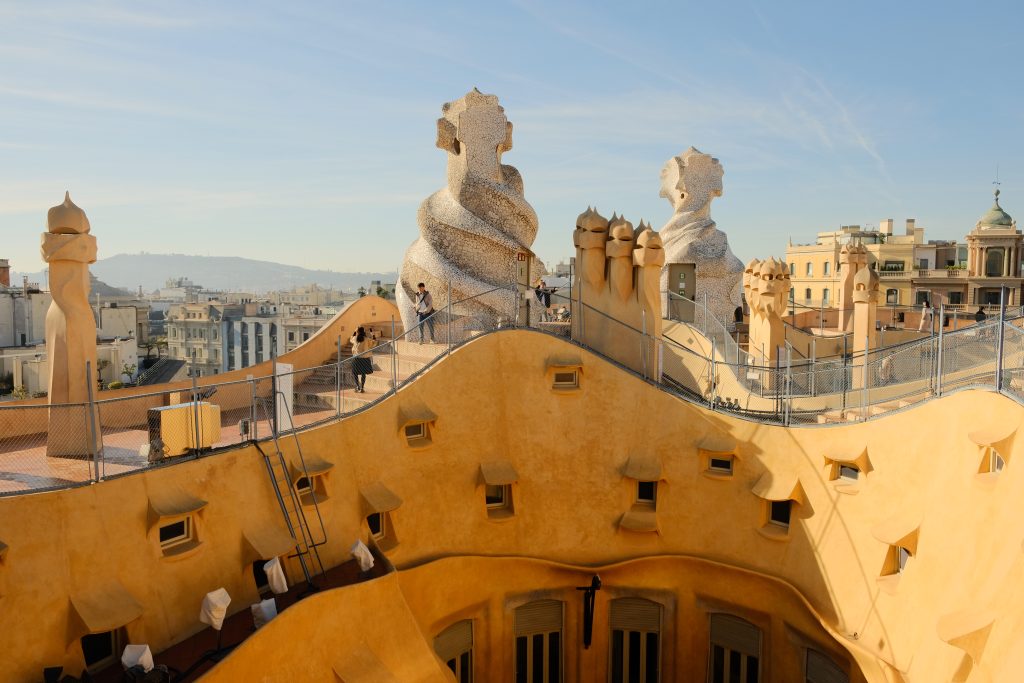
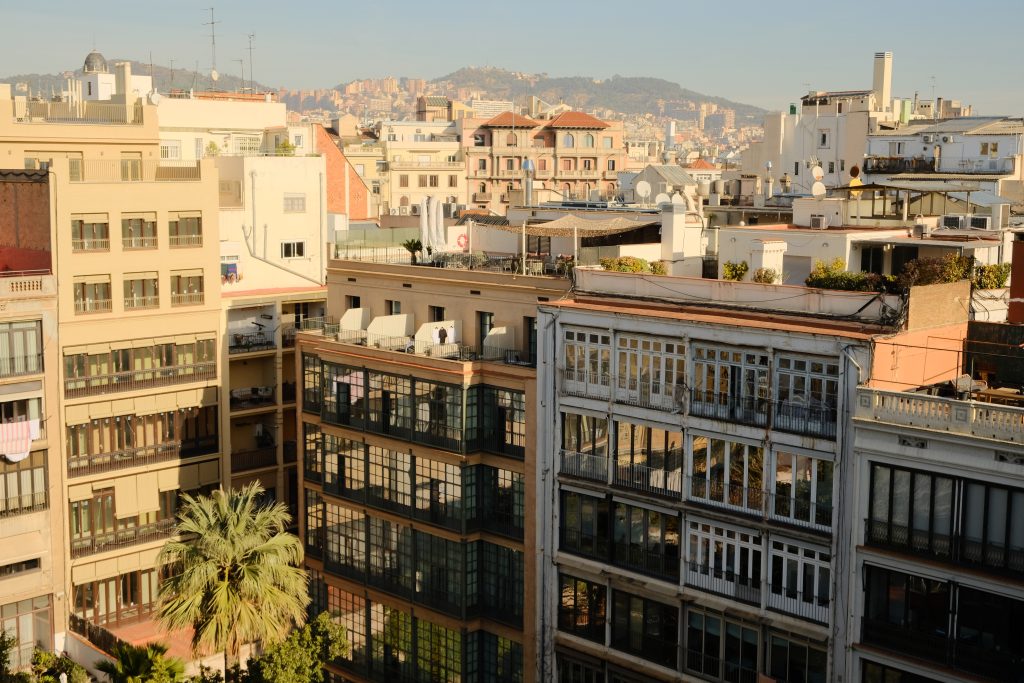
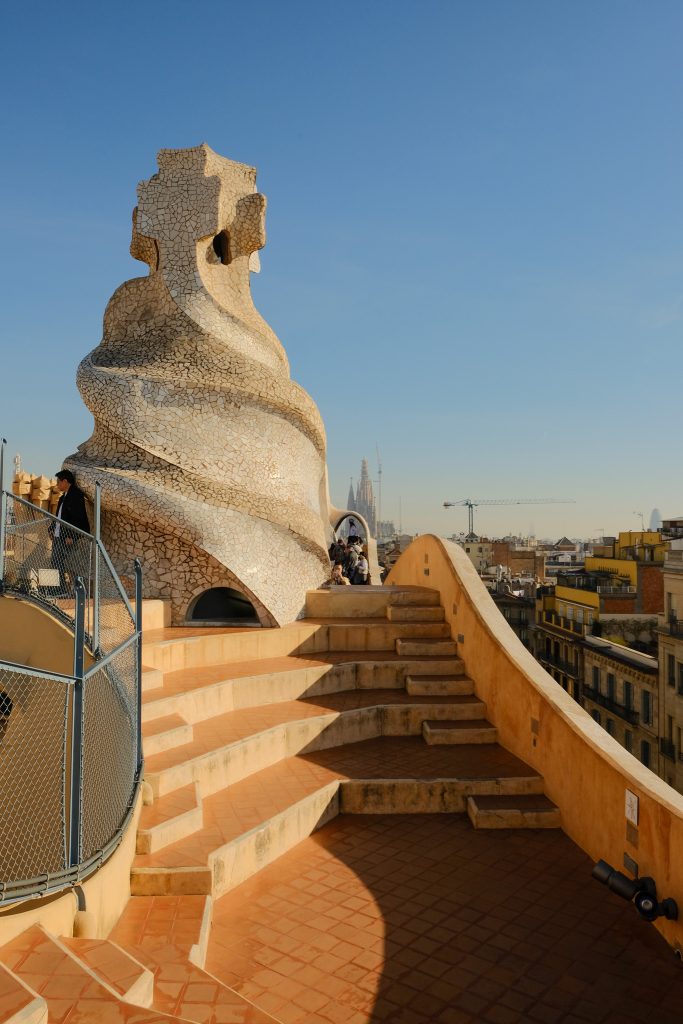
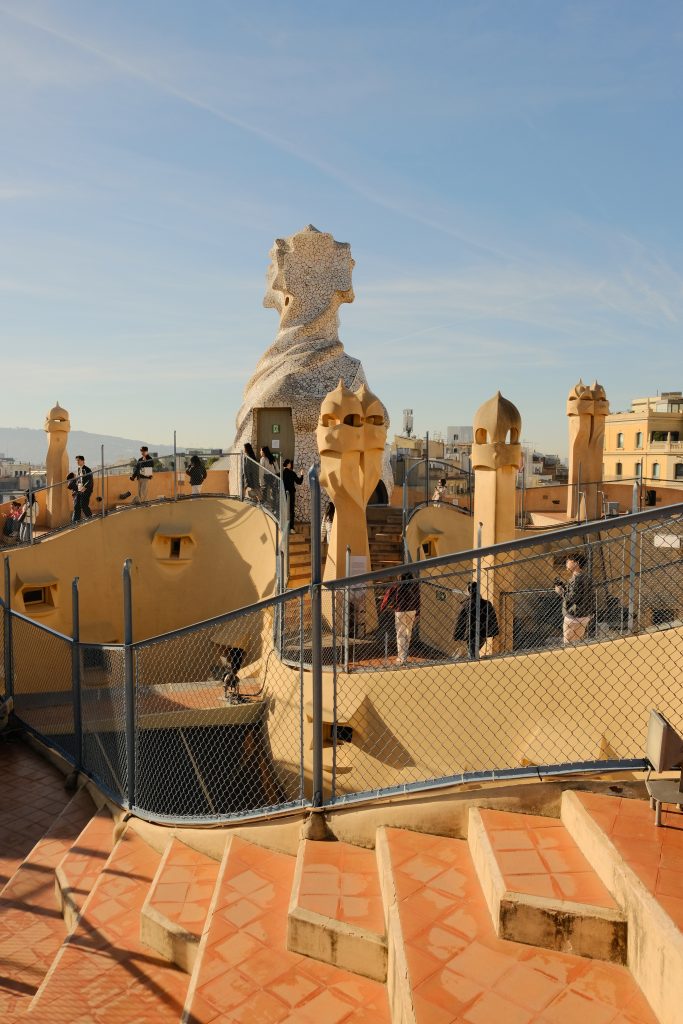
Casa Milà, also known as La Pedrera, was designed by Gaudí between 1906 and 1912 as a private residence for the wealthy Milà family.
It was his last major residential project before he focused solely on the Sagrada Família.
The building is absolutely fascinating, full of incredible spaces to discover, as well as a rooftop terrace with panoramic views over the city.
I think the interiors of Casa Batlló are more interesting, but I much prefer Casa Milà’s rooftop, so I’d definitely recommend seeing both.
Opening Hours
Monday – Sunday: 09:00 – 23:00
Getting there
The closest metro station is Diagonal (L3 and L5). Take the Passeig de Gràcia exit exit to be closest to Casa Mila.
6. Ciutadella Park
Something I found hard about moving from London to Barcelona was the lack of parks.
Barcelona isn’t a very green city, and often when somewhere is marked as a park on the map, it’ll be a small stretch of concrete with a few plants and a couple of benches.
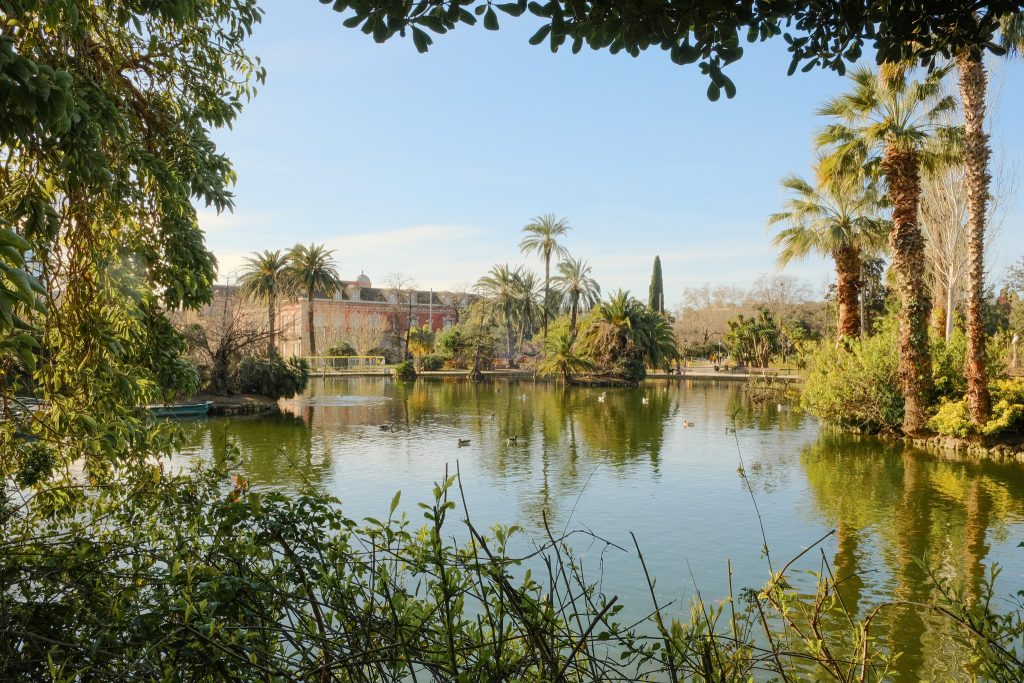
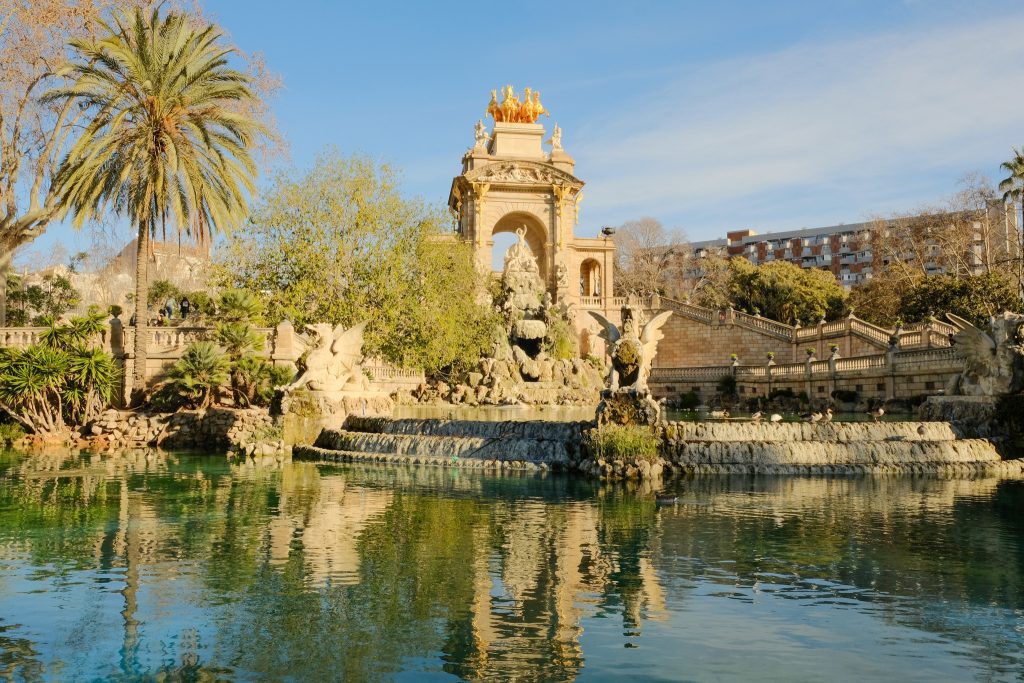
So Ciutadella Park is a lifesaver, and the perfect place to escape the hustle and bustle of the city. It’s Barcelona’s most popular park, located near the El Born neighbourhood.
Things to see in Ciutadella Park:
- Cascada Monumental: This huge fountain is the most popular photo spot in the park
- The boating lake: You can rent small wooden boats from around €7
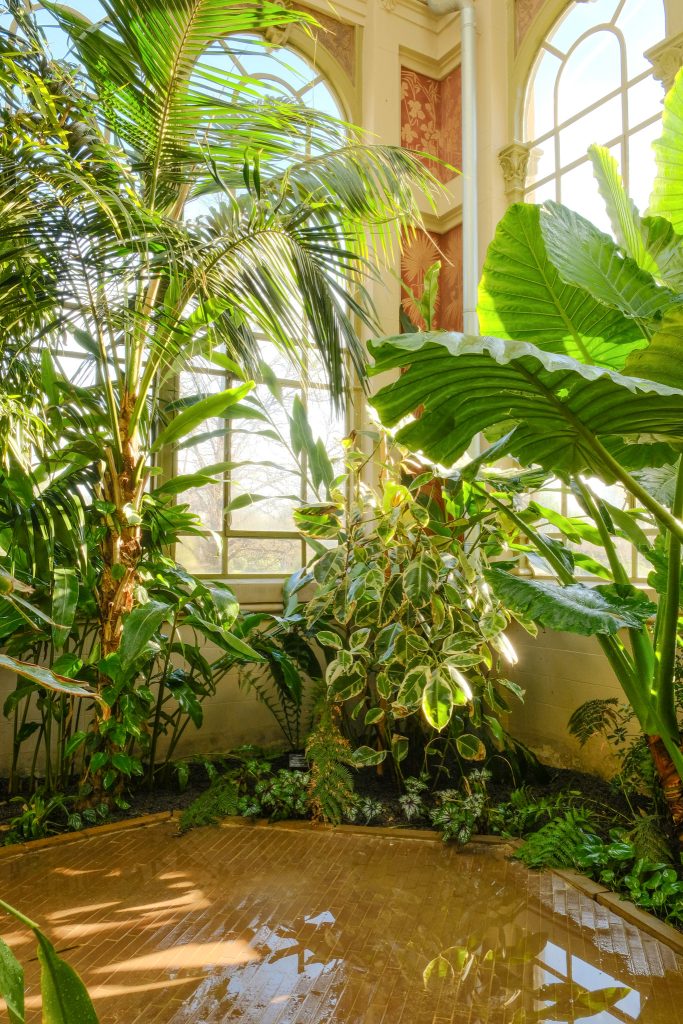
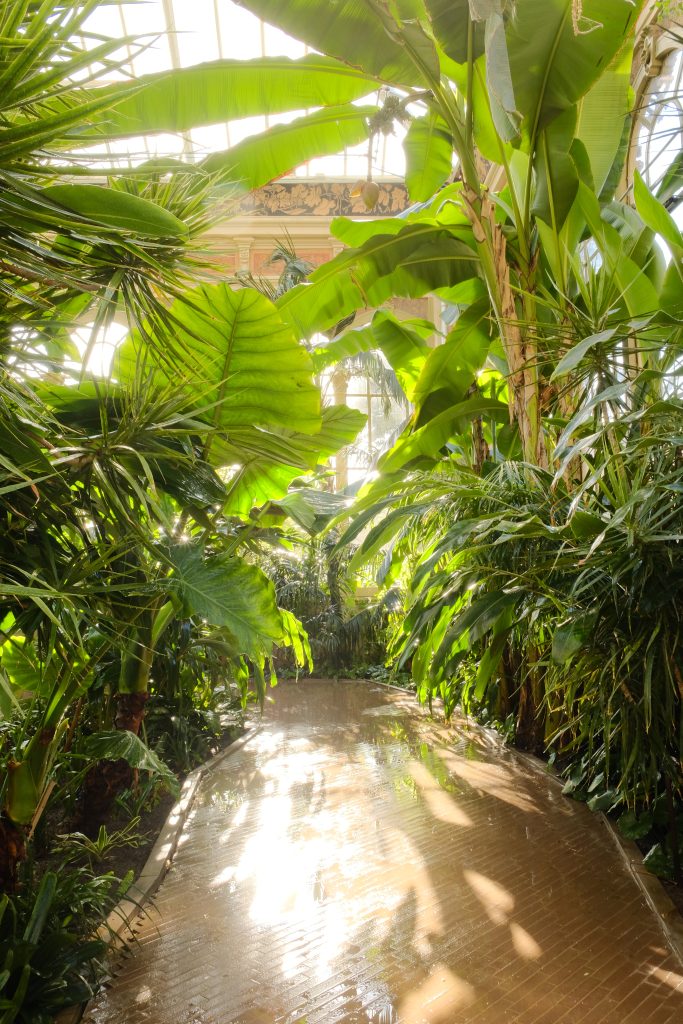
- The Hivernacle: A tropical greenhouse filled with exotic plants, and one of my favourite places in the city.
Getting there
The closest metro station is Jaume I (L4).
7. El món neix en cada besada
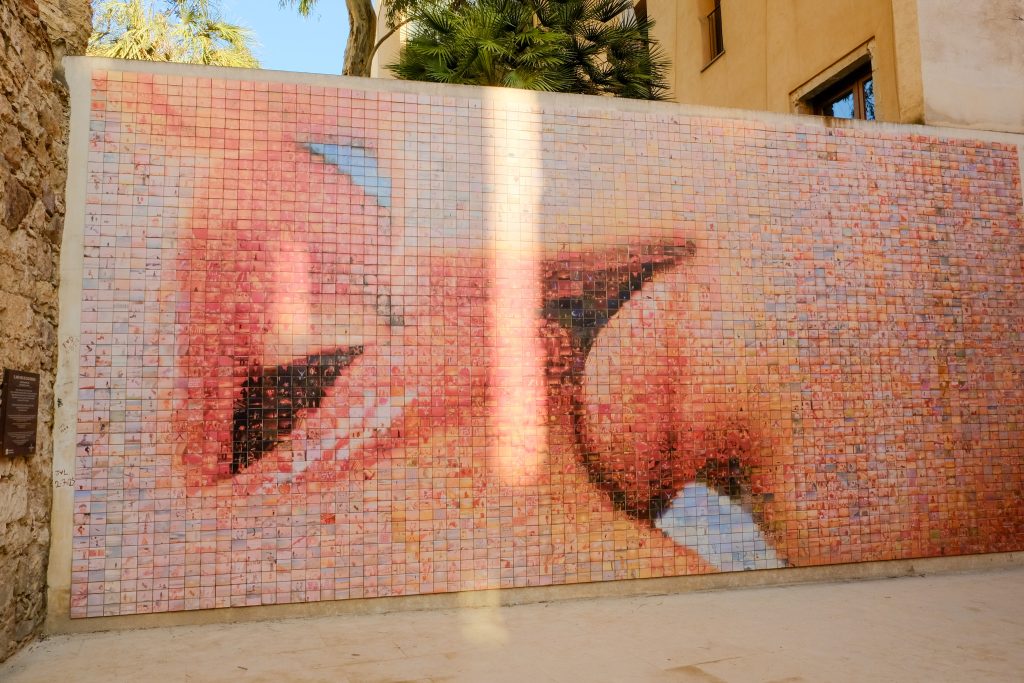
El món neix en cada besada, which is Catalan for “The world is born in every kiss”, was created by Catalan artist Joan Fontcuberta in 2014 to mark 300 years since the end of the War of the Spanish Succession.
When the war ended on the 11th of September 1714, Catalan institutions and laws were abolished, and the Catalan language was banned.
So Barcelona’s local newspaper, El Periódico, asked its readers to send a photo that answered the question “what does freedom mean to you?”.
Four thousand photos were used to create the kiss mural, which is located in a small square near the Cathedral in the Gothic Quarter.
From far away, the mural looks like a giant picture of two people kissing, but as you get closer, you can make out the tiny ceramic tiles, with the individual photos on.
It’s a great photo spot, and an important acknowledgement of Catalan culture and history.
Getting there
The closest metro station is Jaume I (L4).
8. Picasso Museum
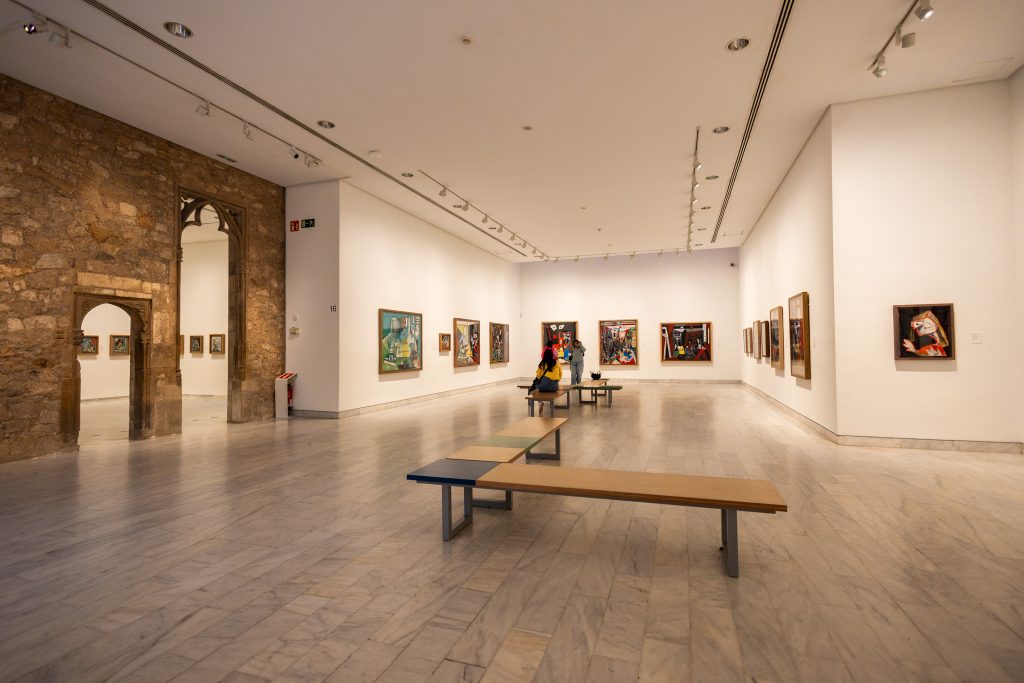
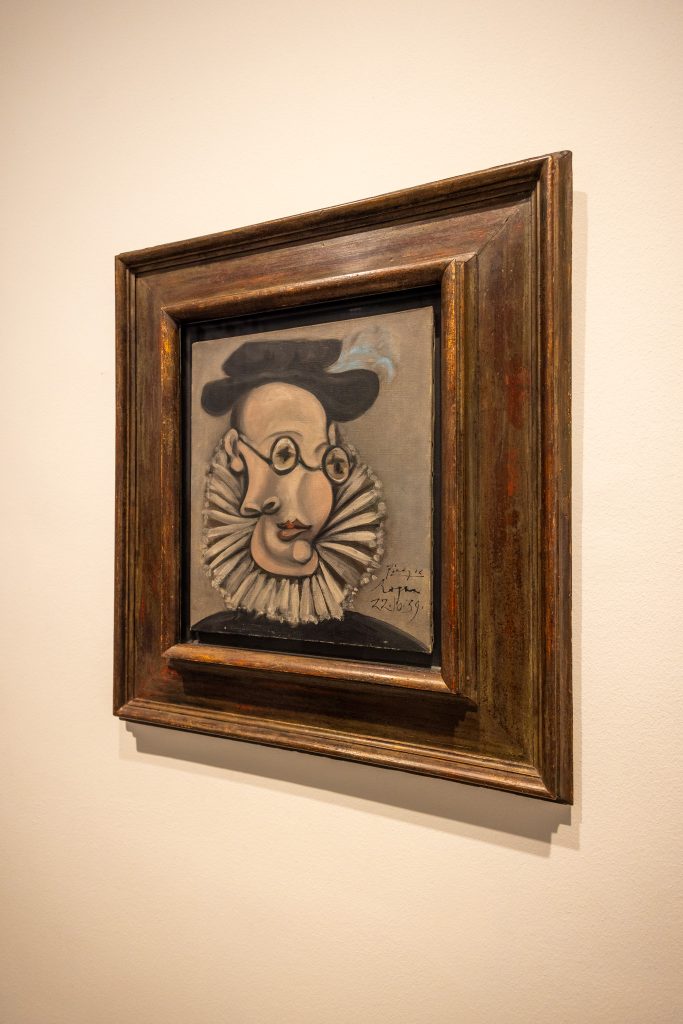
The Picasso Museum is located across five medieval palaces in El Born, and is home to over 4,000 pieces of his art.
Picasso moved to Barcelona with his family when he was 13 years old, and he studied at La Llotja School of Fine Arts in the city.
These were his formative years of training and developing his initial style, and the city featured heavily in his early work.
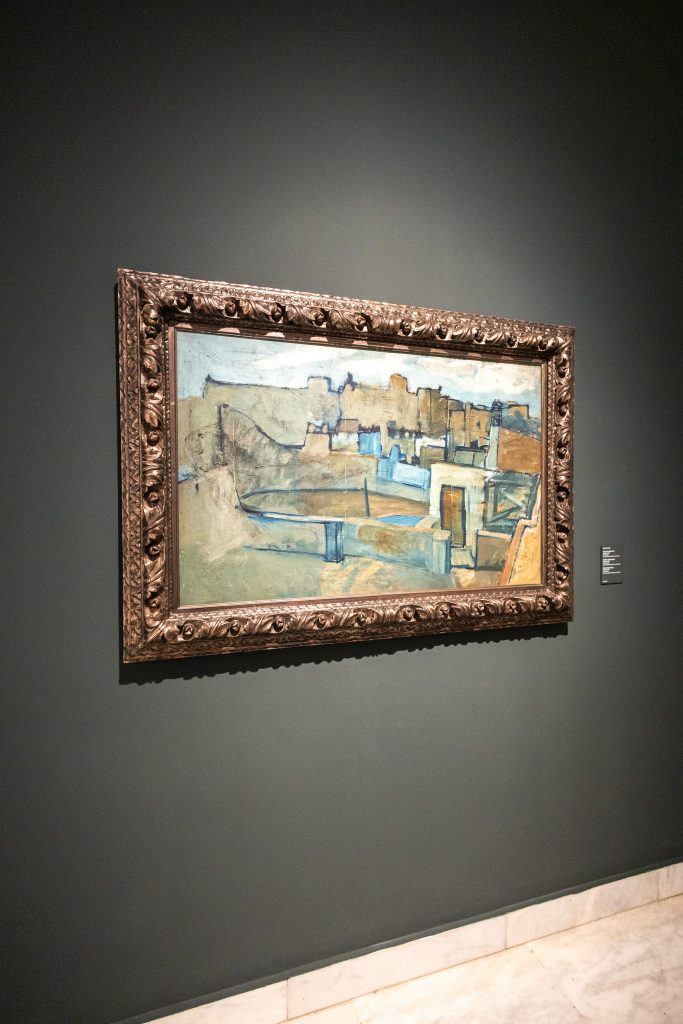
At the museum you’ll have a chance to see pieces from Picasso’s Blue Period, the famous Las Meninas series, and his early sketches of the Barcelona rooftops and coastline.
Tickets
Tickets start from €12 for adults, children under 18 are free.
You can get free entry to the museum on certain days, listed below:
- The first Sunday of every month
- Thursday from 4pm – 7pm (31 March – 27 September)
- Thursday, Friday and Saturday, 7pm – 9pm (31 March – 27 September)
- Open Door days: 4th Jan, 12th Feb, 17th May & 24th Sep
You need to reserve your ticket in advance for these free days. Ticket reservations open four days before.
If you’re interested in visiting a few different museums and galleries in Barcelona, I’d recommend getting the ArticketBCN. It gives you access to six art museums in the city, including the Picasso Museum and the Fundació Joan Miró.
Opening Hours
Monday: Closed
Tuesday – Sunday: 10:00 – 19:00
Getting there
The closest metro station is Jaume I (L4).
9. Moco Museum
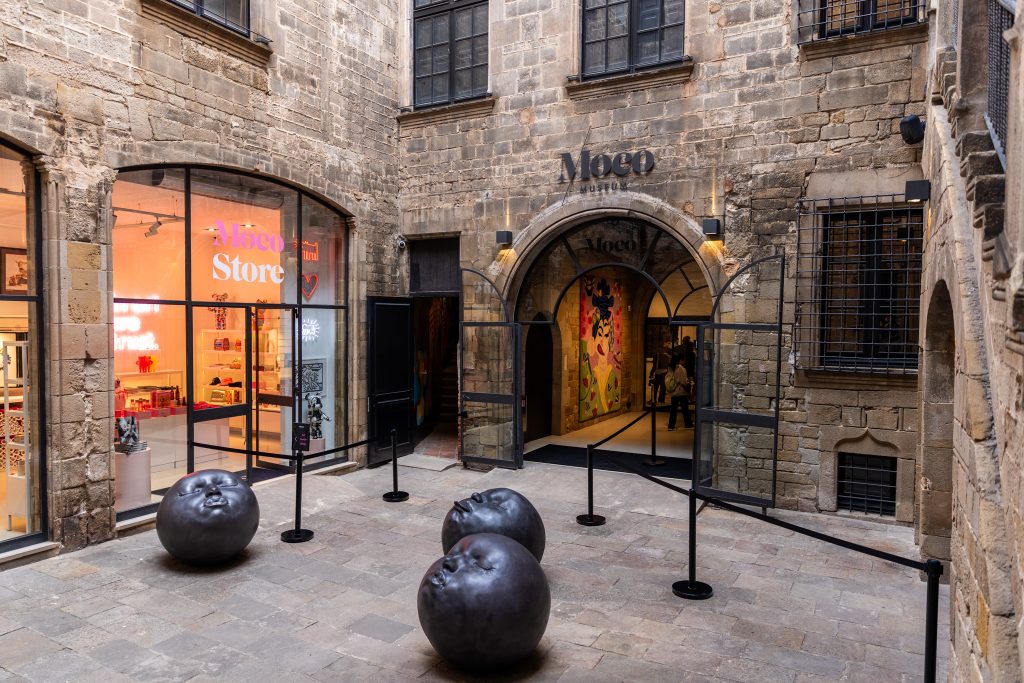
Next door to the Picasso Museum is the Moco Museum, a modern art museum located inside the 16th-century Palau Cervello.
The Picasso museum is where you go to see the classics, and Moco is for the modern pieces.
The works on display are constantly changing, so each visit offers something new, but expect to see exhibitions from artists like Banksy, Andy Warhol, Salvador Dalí and even Robbie Williams.
My favourite part of Moco is their amazing digital art and immersive rooms. On my last visit, they had an installation where you could actually input your own heartbeat through a machine. It then used your pulse to create a personalised digital art piece that moved across the walls!
You get a free audio guide included with your ticket for Moco, so make sure you bring headphones with you.
Moco Museum is quite small, and you can get round it in about 1 hour, so I’d recommend doing the Picasso Museum straight after (or vice versa), as they’re right next to each other.
Opening Hours
Sunday – Thursday: 10:00 – 19:00
Friday-Saturday: 10:00 – 20:00
Getting there
The closest metro station is Jaume I (L4).
10. Museu Nacional d’Art de Catalunya (MNAC)
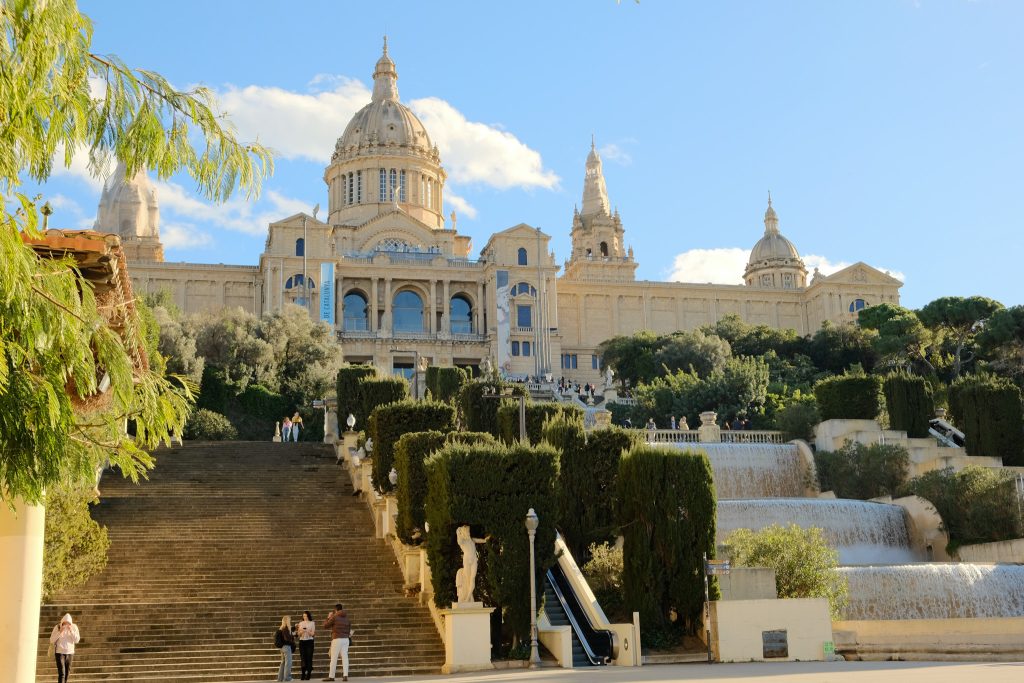
The Museu Nacional d’Art de Catalunya is the official art museum of Catalunya, located on Montjuïc hill.
The building itself is absolutely beautiful from the outside, and there’s usually buskers playing near the entrance, so it’s a popular sunset spot.
Inside, they have the world’s best collection of Romanesque church murals – they actually peeled the ancient paintings off the walls of crumbling Pyrenees churches to save them!
You’ll also find a range of Gothic, Renaissance, and Baroque Catalan art. But even if you don’t go for the art, the building itself is stunning and the 360-degree views from the rooftop are some of the best in the entire city.
Opening Hours
Monday: Closed
Tuesday – Saturday: 10:00 – 18:00
Sunday: 10:00 – 15:00
Getting there
The closest metro station is Pl. Espanya on the L1 and L3. From there it’s a fifteen minute walk to MNAC, or the 55 bus will drop you right outside.
Money saving tip: There’s free entry every Saturday from 3pm, the first Sunday of every month, and on specific museum open days. You still need to book your tickets in advance online so they can manage the crowds, but it’s a great way to save yourself the €12.00 entry fee. Children under 16 always go free!
11. Casa Vicens
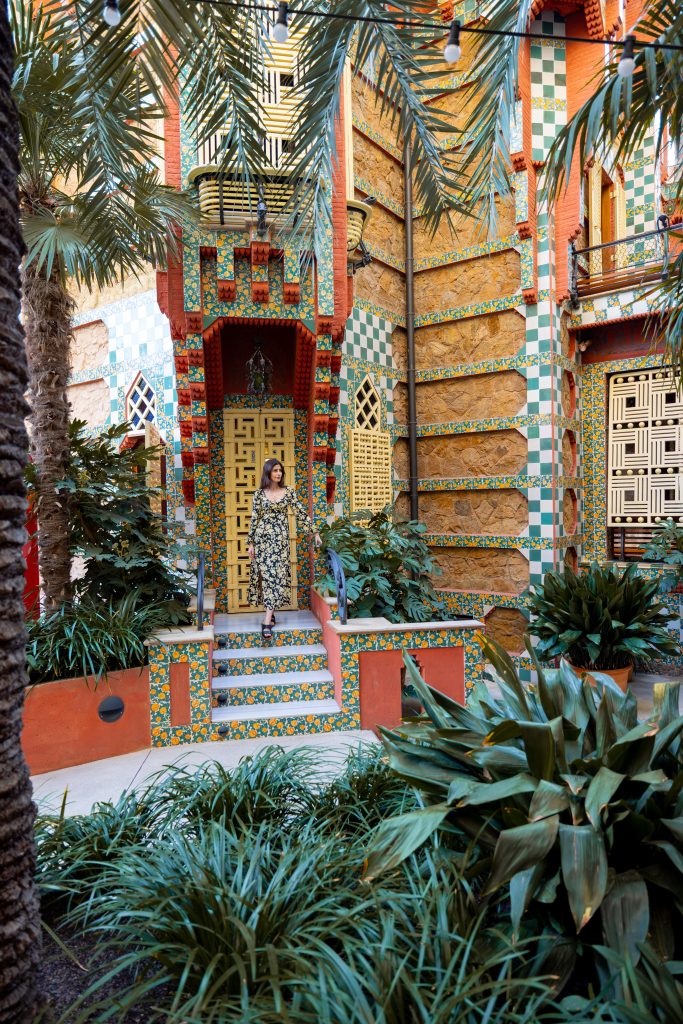
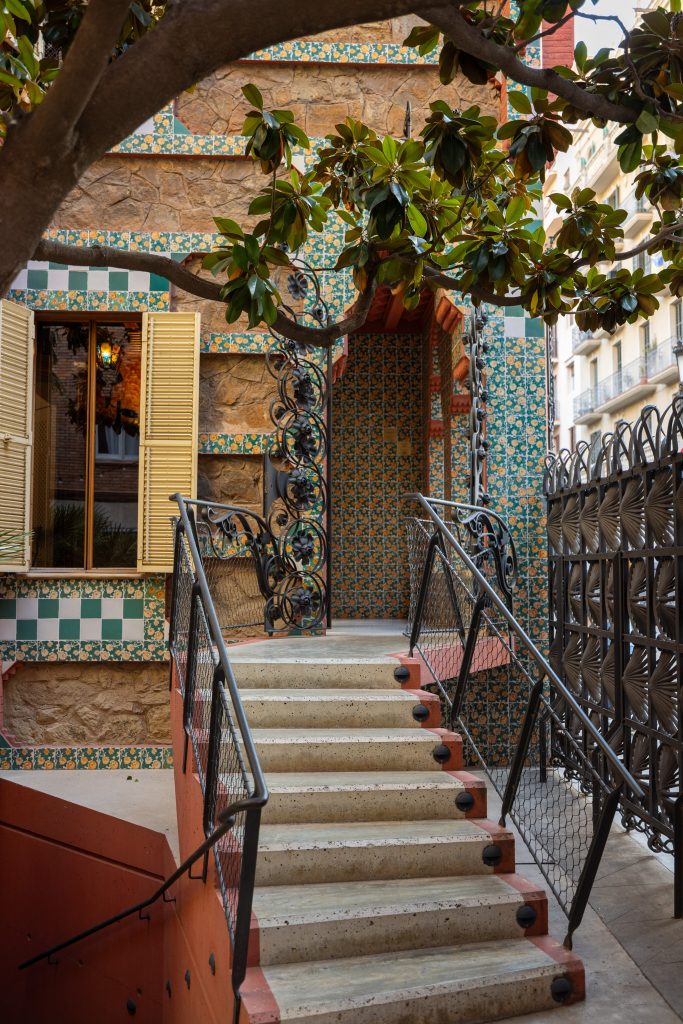
In 1878, when Gaudí was just 26 years old, he was commissioned to design Casa Vicens as the summer home of his friend, Manuel Vicens Montaner.
It’s located in Gràcia, which at the time was a separate town from Barcelona, but today forms part of the city, and was the very first house Gaudí designed.
Casa Vicens feels quite different from the rest of Gaudí’s work, as it was designed during his Orientalist phase, when he was heavily influenced by Middle Eastern and Moorish design.
There’s lots of brightly coloured ceramic tiles, exposed brick, and straighter lines compared to his later, “wavier” work.
I’ve definitely noticed Casa Vicens getting more popular over the last few years, partly because they’ve started advertising it at the airport, but it’s still nowhere near as busy as Casa Batlló or the Sagrada Família.
It’s a great place to escape the crowds for a bit, and you can easily see the whole thing in around an hour.
Opening Hours
Monday – Sunday: 09:30 – 18:00
Getting there
The closest metro station is Fontana or Lesseps, both on the L3.
12. Palau de la Musica Catalana
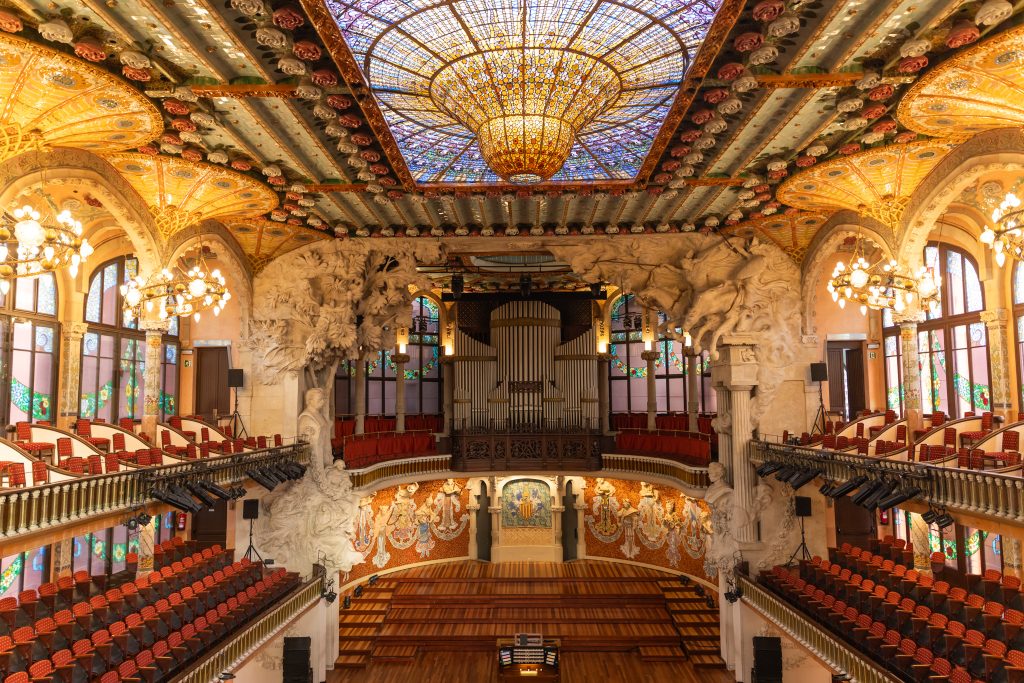
Palau de la Musica Catalana is a concert hall and UNESCO World Heritage Site located in the El Born neighbourhood.
It was designed by the Catalan architect Lluís Domènech i Montaner as a home for the Orfeó Català, a prestigious Catalan choir. Still to this day, they are the resident choir there and they perform regularly.
But there’s also a variety of other shows, and if you have the time in your schedule, I’d really recommend going to one.
I went for a Hans Zimmer Candlelight Concert and it was magical to experience the venue as it was intended.
If you don’t have time for a show, you can visit on a self-guided tour whenever you like.
Opening Hours
Monday – Saturday: 09:00 – 15:30 for visits
Sunday: 09:00 – 18:00
Getting there
The closest metro station is Urquinaona (L1 and L4), which is a two minute walk away.
13. White Rabbit Museum

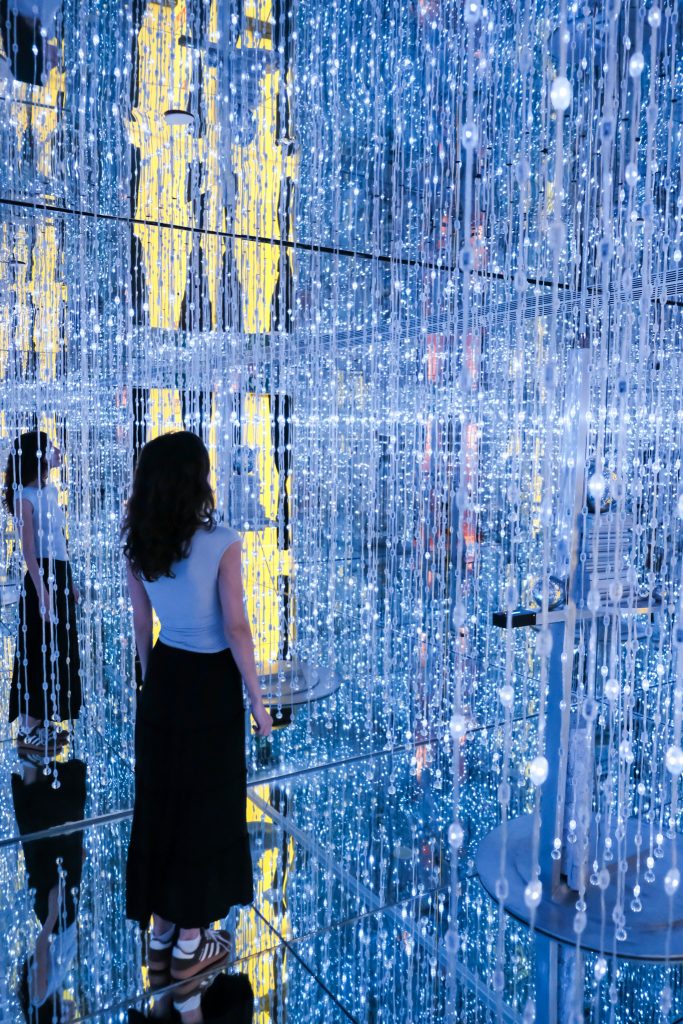
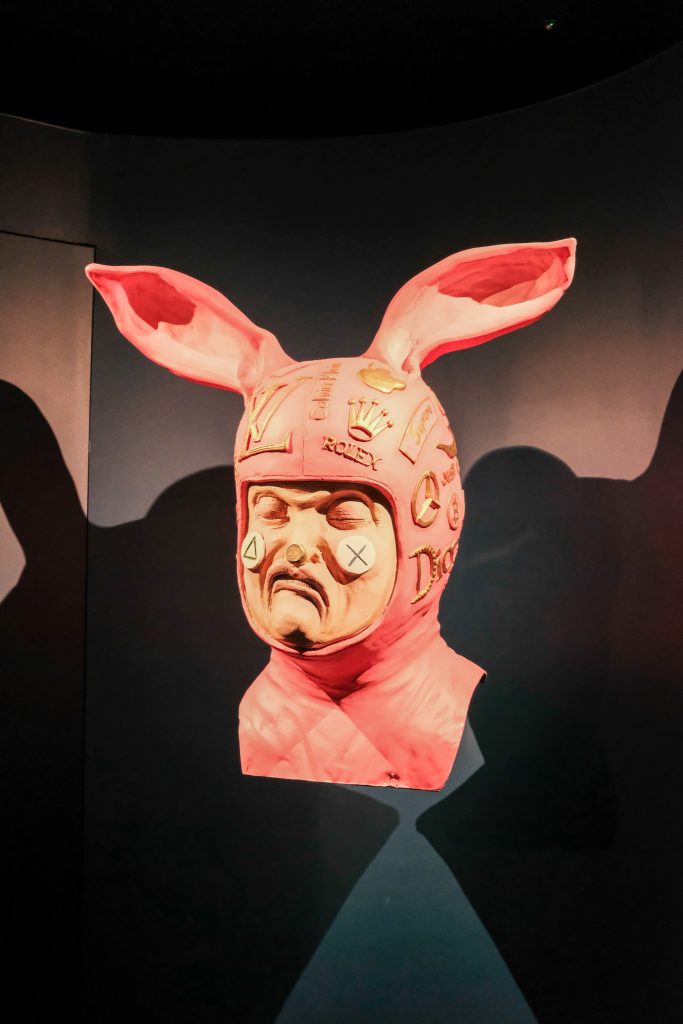
White Rabbit is an immersive experience on Passeig de Gràcia, designed to teach you about Catalan culture and traditions in an engaging way.
It’s made up of ten different installations, including a virtual reality room where you can actually be at the centre of the correfoc (Catalan for fire-run), where people dress up as devils and dragons and run through the streets of the city covering people in fireworks.
I think this place one of the best ways to really understand Catalunya’s weird and wonderful traditions.
Unlike traditional museums where there’s lots to read and it can feel like information overload at times, everything is focused on keeping you engaged and involved, so it’s great for children.
Opening Hours
Monday – Sunday: 10:00 – 20:00
Getting there
The closest metro station is Passeig de Gràcia (L2, L3 and L4).
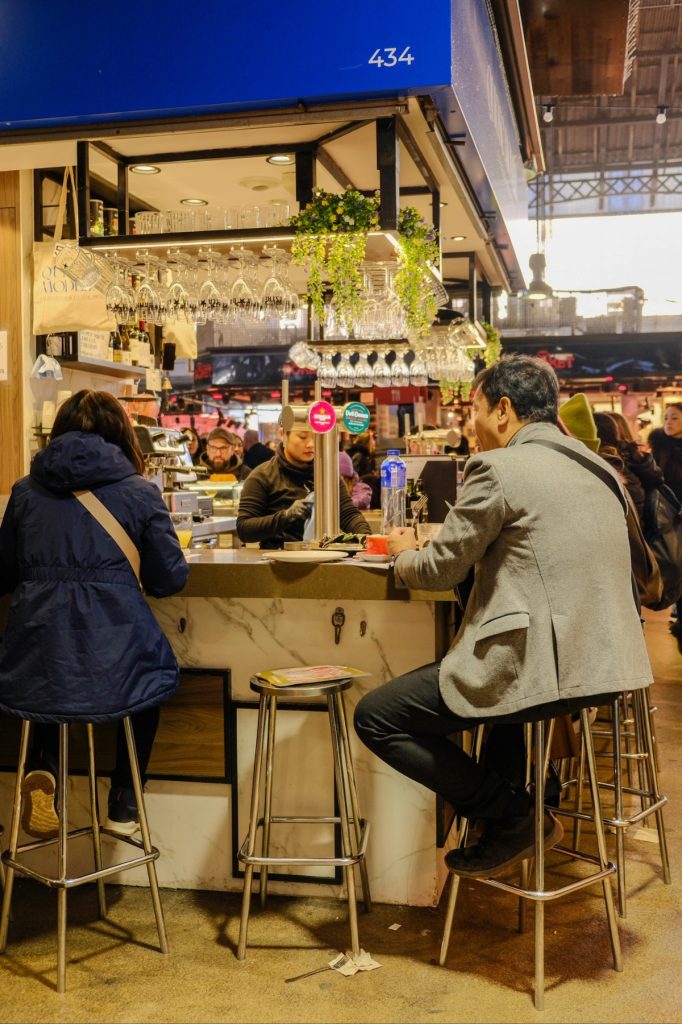
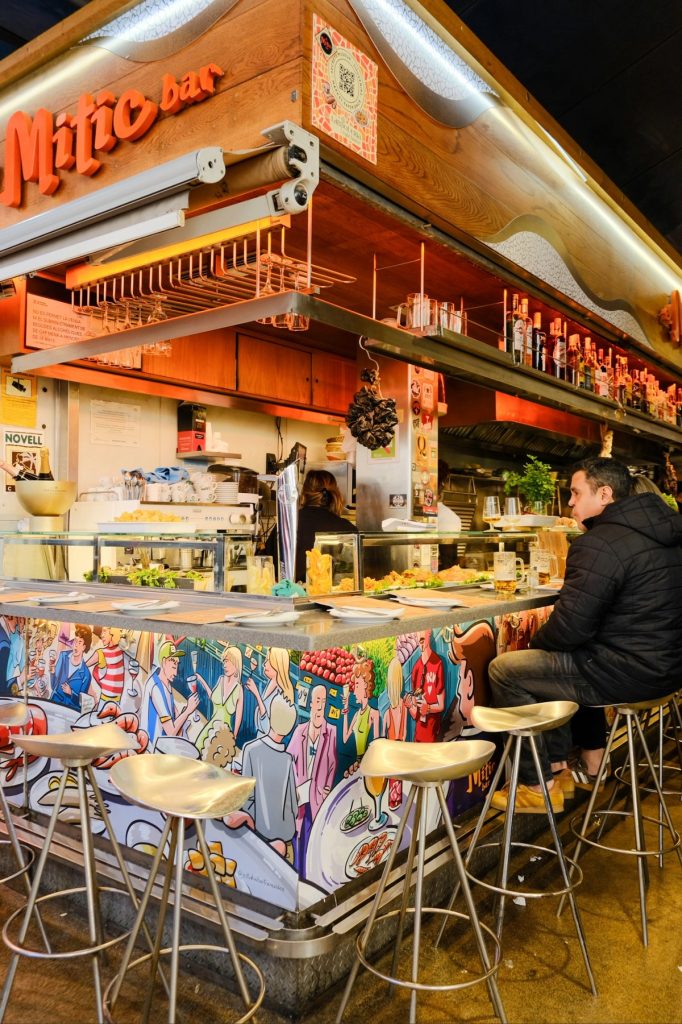
14. La Boqueria Market
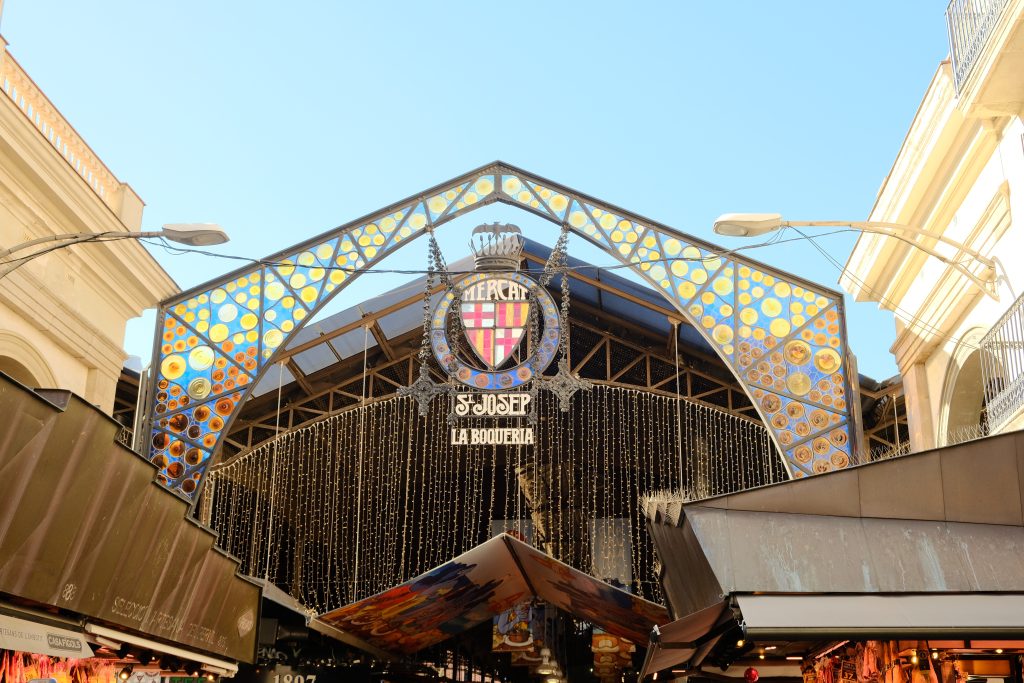
La Boqueria is Barcelona’s most famous food market, located just off La Rambla. Its been around since 1217, so it really is a Barcelona institution.
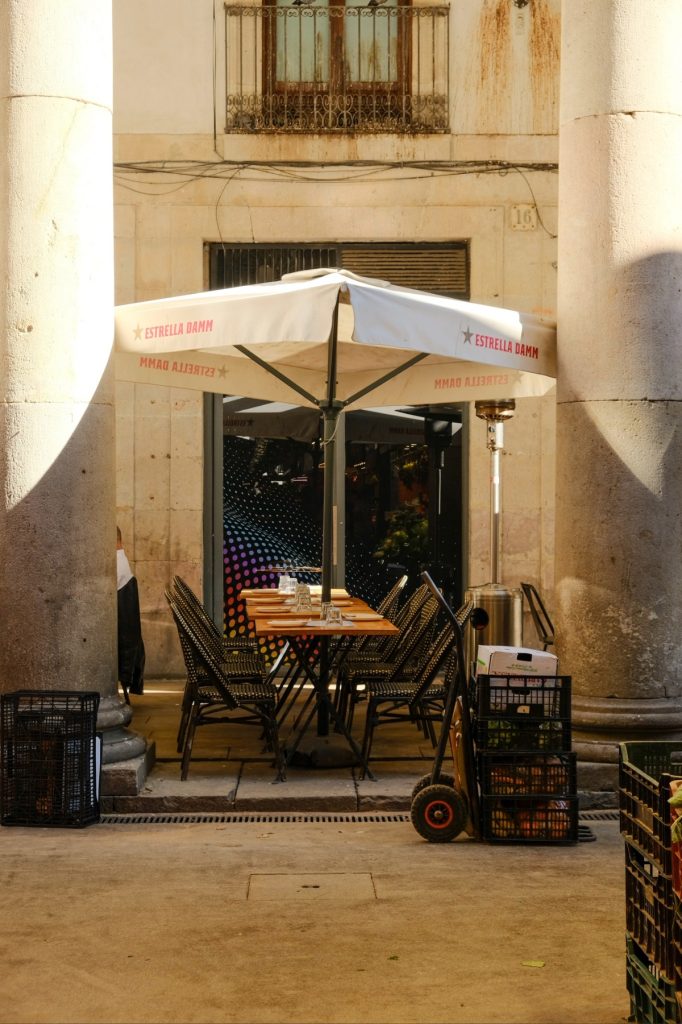
It is very touristy, and you’re probably not going to have the best food in Barcelona here, but it’s a great place to stop for a drink and soak up the atmosphere.
Opening Hours
Monday – Saturday: 08:00 – 20:30
Sunday: Closed
Getting there
The nearest metro station is Liceu (L3), which is opposite the market.
15. Recinte Modernista de Sant Pau
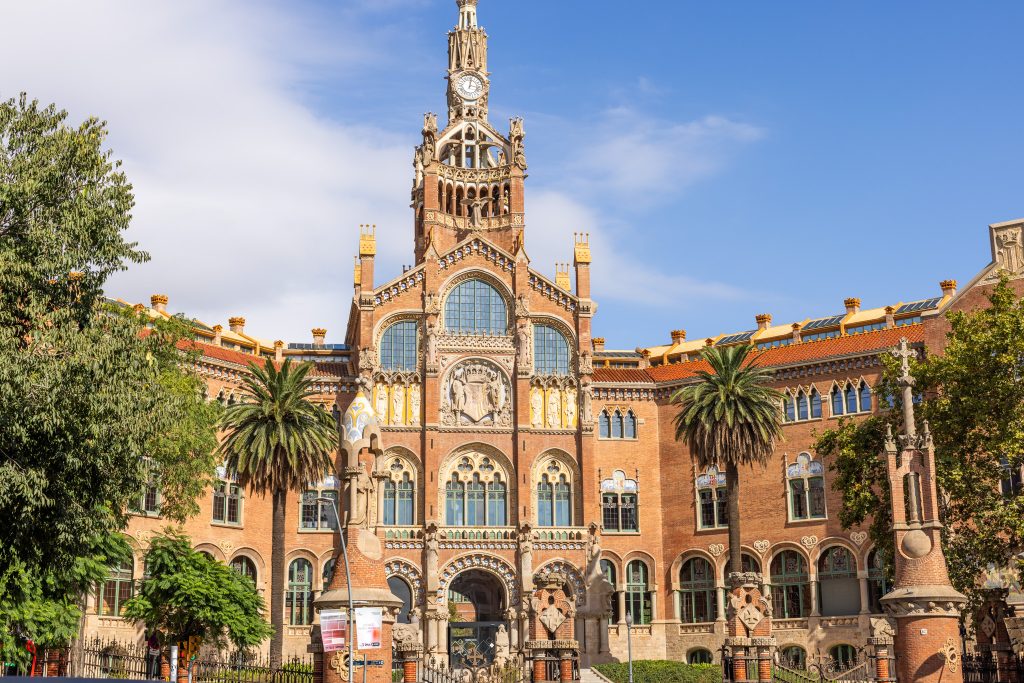
Sant Pau is a former hospital, designed by Catalan architect Domènech i Montaner in the early 1900s, and is now the world’s largest Art Nouveau complex.
Montaner believed that patients would heal faster if they were surrounded by nature, art, and colour, and he wanted to replace the gloomy hospital feel with something more inspirational.
The hospital was designed as a “garden city”, made up of several different buildings with gardens in between, allowing patients to get outside for fresh air.
Sant Pau is a ten minute walk from the Sagrada Família so I’d recommend visiting them one after the other.
Opening Hours
Monday – Sunday: 09:30 – 17:00
Getting there
The nearest metro station is Sant Pau/Dos de Maig (L5), which is a five minute walk away.
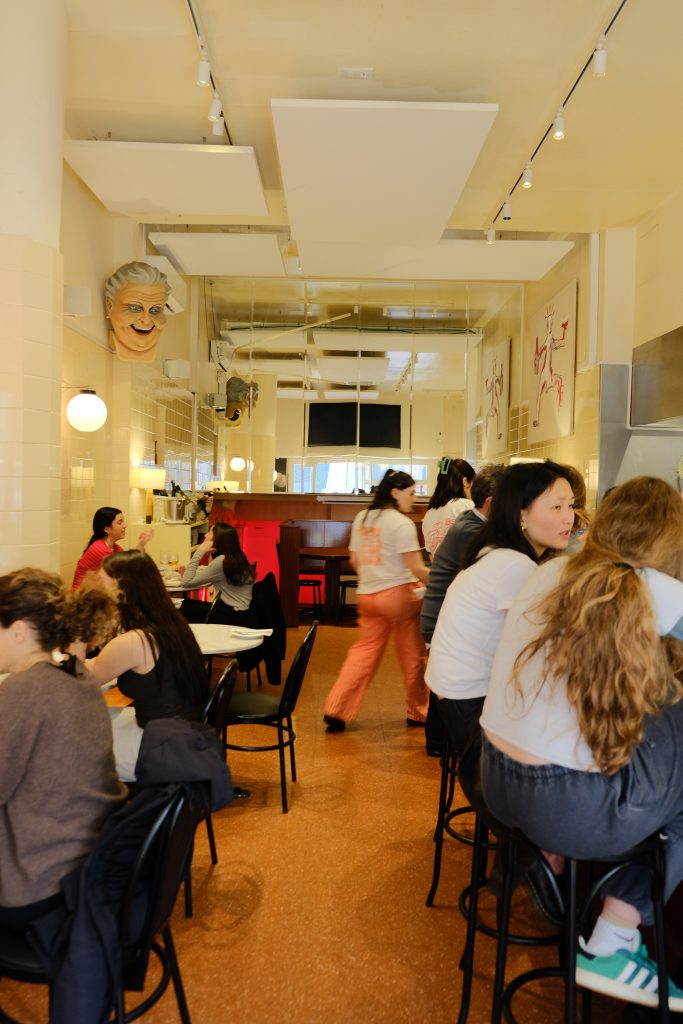
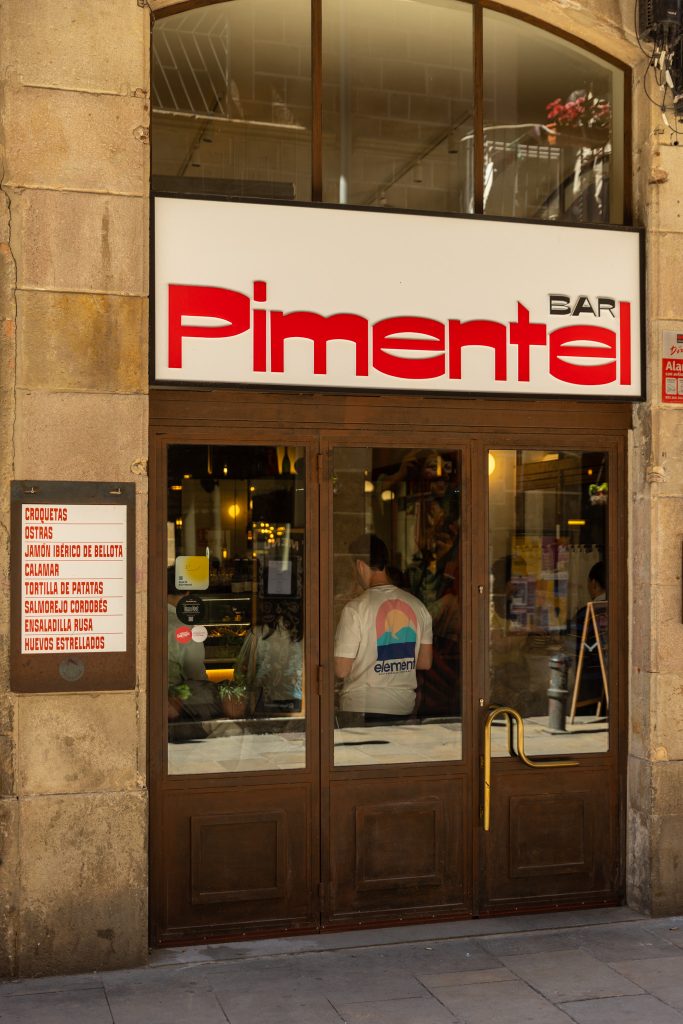
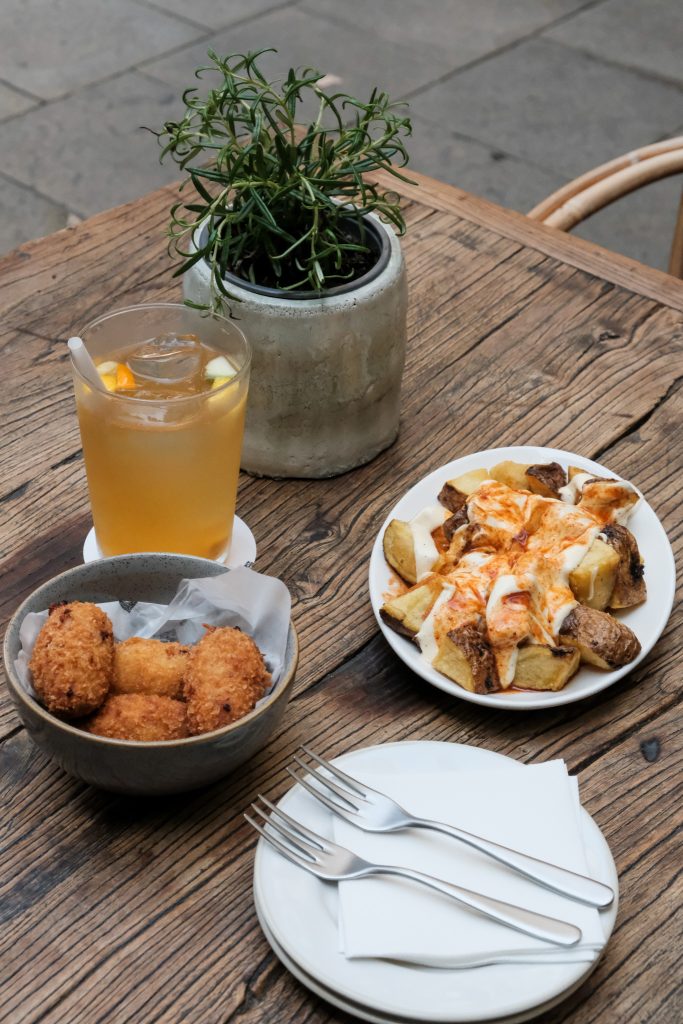
16. Eat (lots) of tapas
You can’t come to Barcelona without eating tapas. In fact, you’re probably going to want to eat it everyday.
There’s so many good tapas restaurants across the city that you won’t need to look far to find great food.
I have a lot of favourites, but I’ve listed a few below depending on what you’re looking for:
- Extra Bar is my favourite tapas restaurant in Barcelona, and where I take my friends when they visit. It’s a small restaurant and they don’t take reservations, so get there for opening or you’ll be waiting a while. It’s a really cool spot with an interesting menu that has classic tapas alongside some unique dishes. The txistorra here is so good!
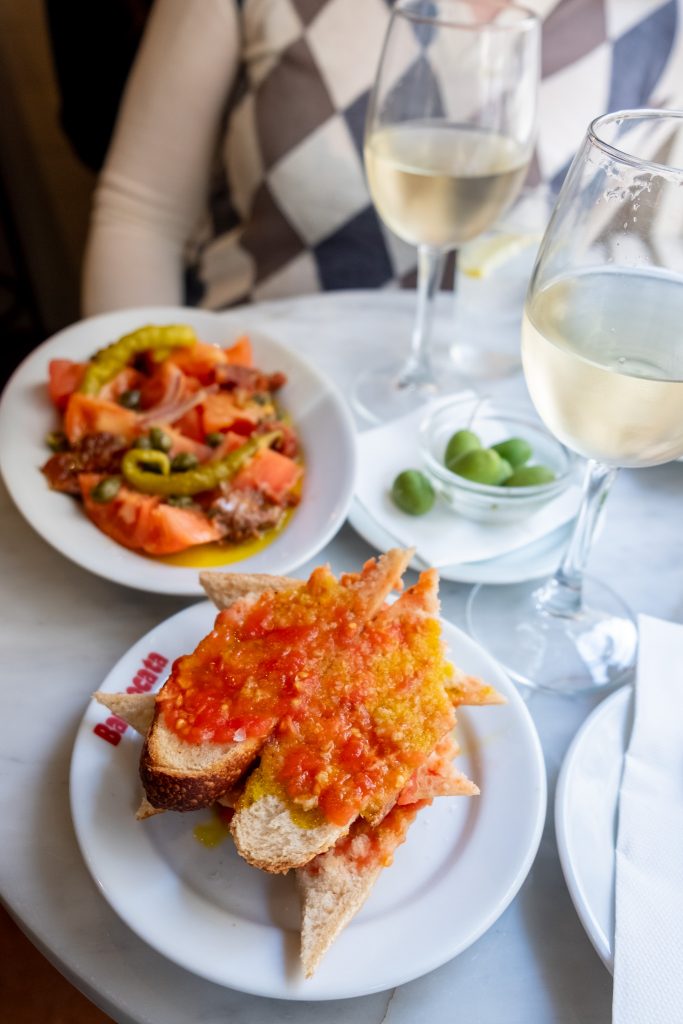
- Bar Bocata: They have two locations in the city, both beautifully designed with great wine, and they do the best tortilla and pan con tomate.
- Cerveseria Catalana is a really popular spot in the Eixample neighbourhood. There’s always a queue but they have so many tables so it goes quickly, and you can grab a drink while you wait. This is one of my go to tapas restaurants in the city because it’s really affordable and the food is consistently good.
- Bodega Murri is in Les Corts, which is a more residential area so it’s much quieter than a lot of the popular tapas restaurants. They have a great wine selection, a large outdoor terrace, and some really interesting dishes you won’t find at every restaurant.
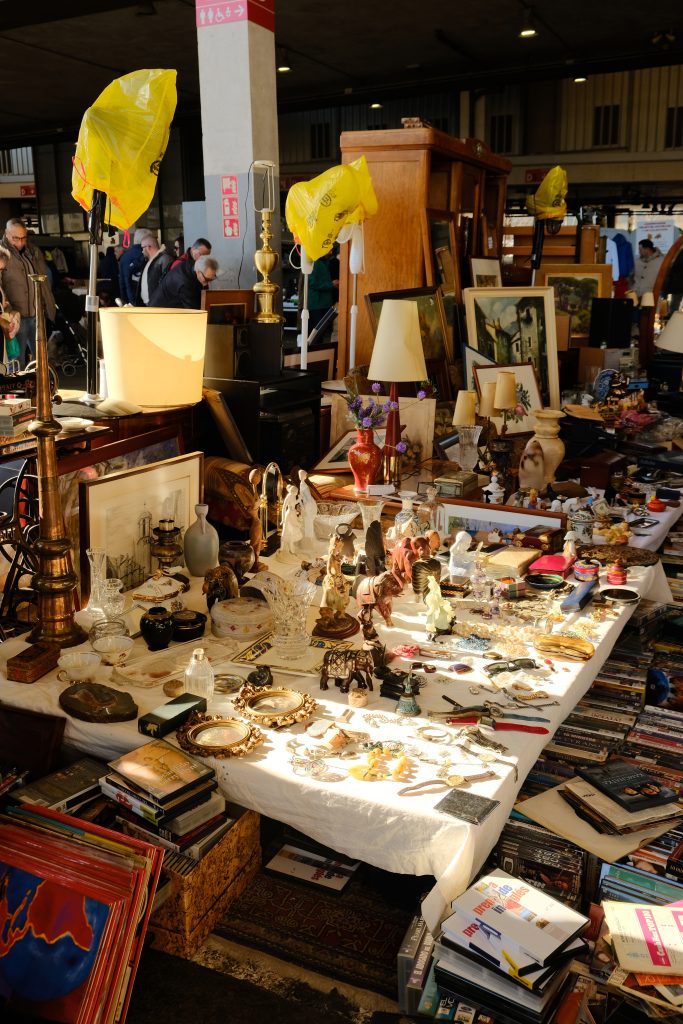
17. Mercat dels Encants
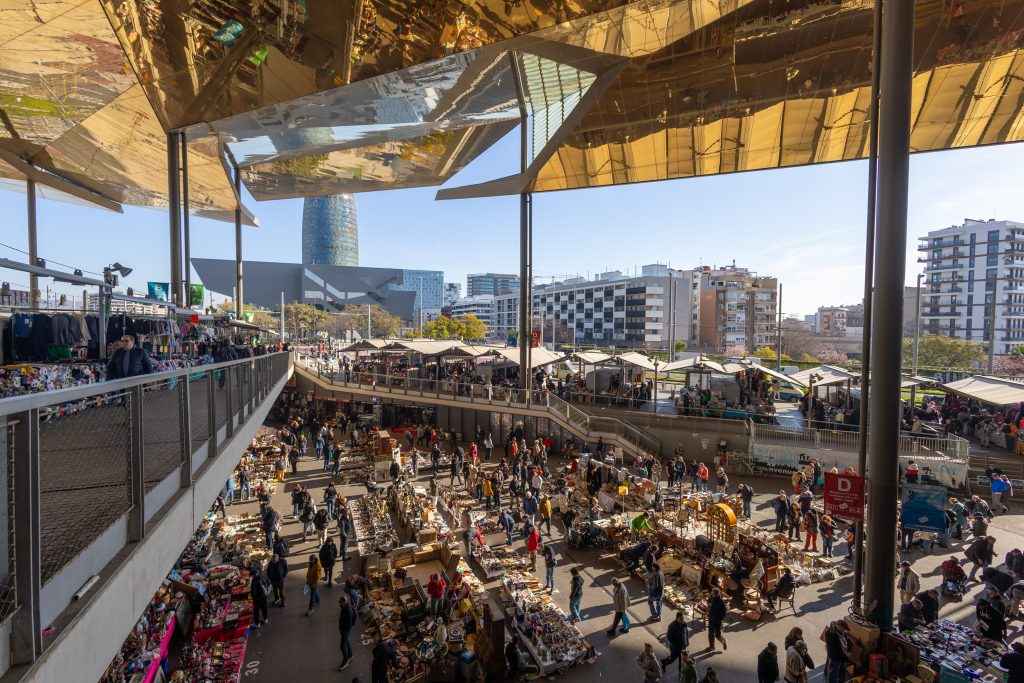
Mercat dels Encants is one of the oldest flea market’s in Europe, dating back to the 1300s.
This is the place to come to find antiques furniture, clothes, trinkets, second-hand books, basically anything you can think of!
It’s free to enter, and there’s also a great food market on the top floor which is well worth a visit.

Opening Hours
Monday, Wednesday, Friday, Saturday: 09:00 – 20:00
Getting there
The nearest metro station is Glories (L1), which is a two minute walk away.
18. Torre Bellesguard
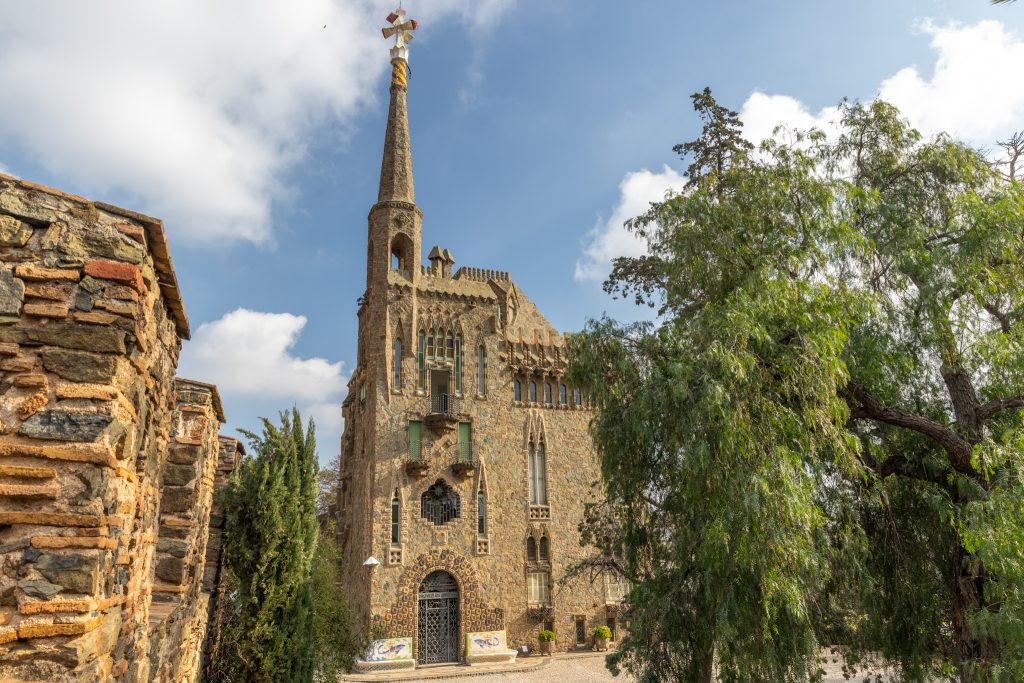
The Bellesguard Tower is another of Gaudí’s incredible creations, and it’s the latest of his buildings to be opened to the public.
Gaudí was commissioned to build the tower on the exact site of a 15th-century royal castle that belonged to Martin I, the last king of the Catalan dynasty.
Torre Bellesguard means “beautiful view” in Catalan, and the tower looks over the city and out to the Mediterranean sea.
The outside is very different to the classic Gaudí style, as he wanted it to reflect the medieval history of the site, but its mixed in with his recognisable design, like the dragon head roof, and the ceramic garden benches.
Tickets
Tickets start from €12 and include an audioguide.
Opening Hours
Monday: Closed
Tuesday-Sunday: 10:00 – 15:00
Getting there
The nearest metro station is Av. Tibidabo (L7), which is a fifteen minute walk away. Or, you can take the v13, v15, 196 or 123 bus.
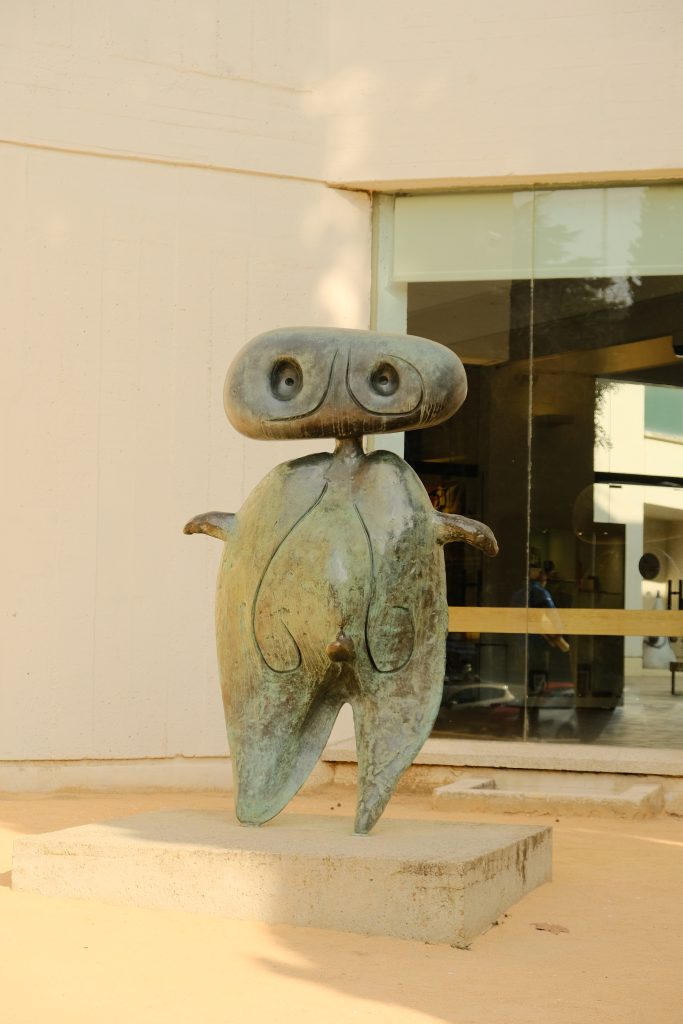
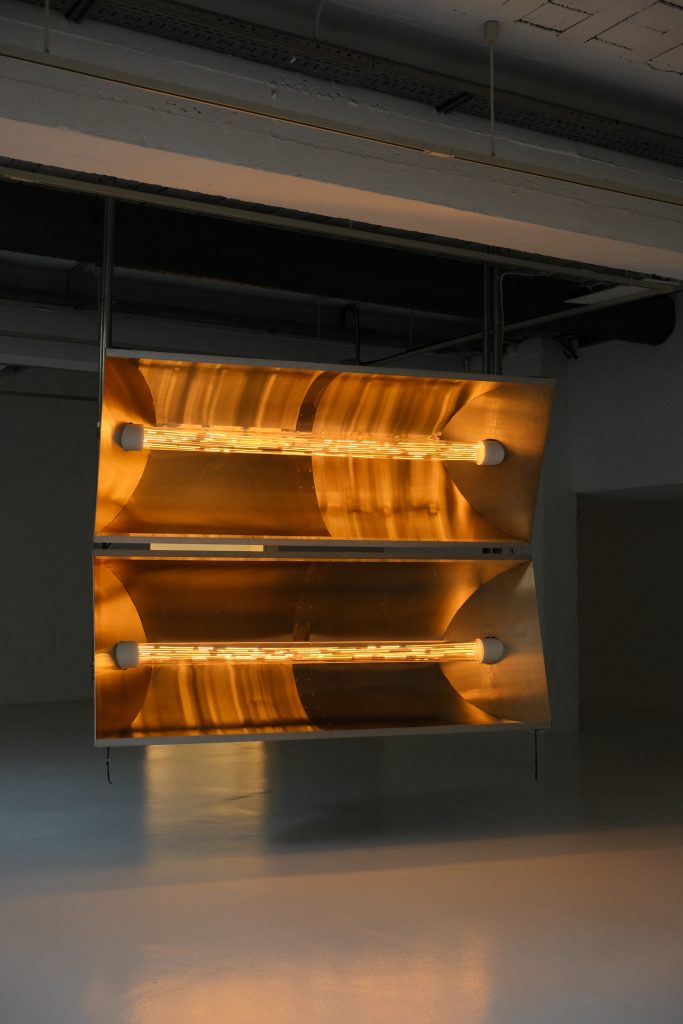
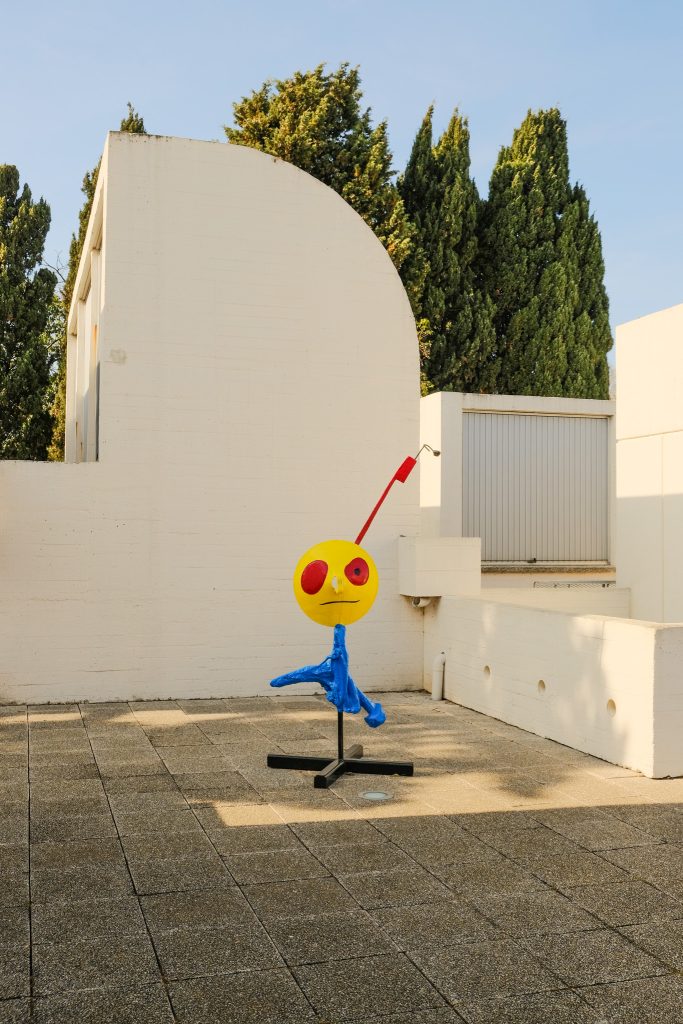
19. Fundació Joan Miró
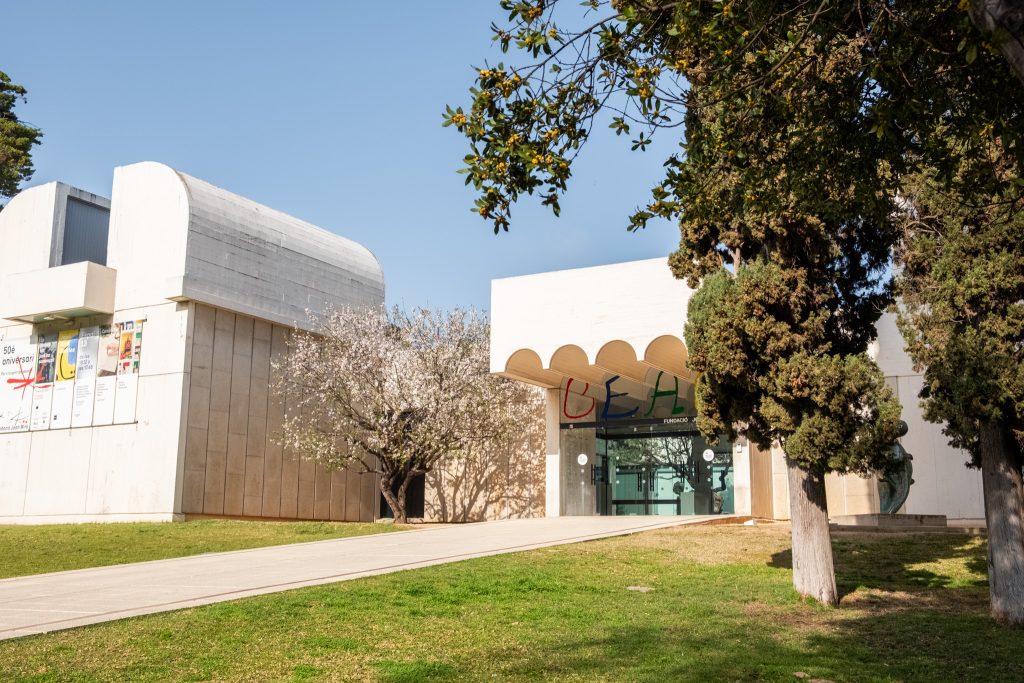
Located on Montjuïc hill, Fundació Joan Miró is dedicated to the Catalan artist Joan Miró, who is regarded as one of the key figures in Surrealism.
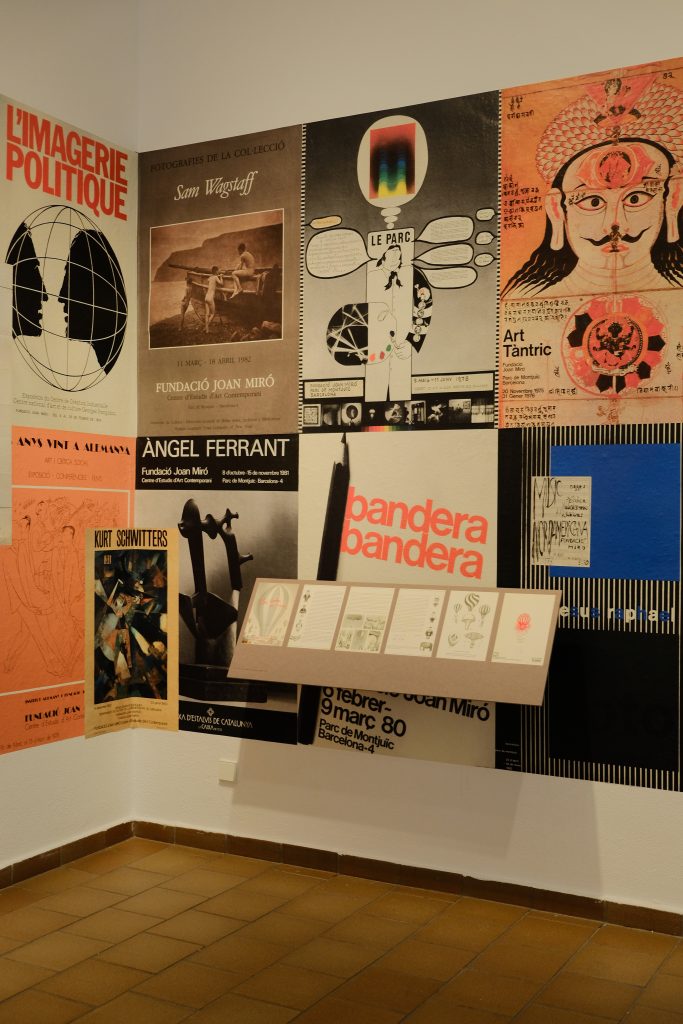
Miró created the foundation in 1975 as a space to showcase his work, donating a lot of the pieces himself. It’s considered to be one of the best collections of his work in the world.
As well as the permanent collection of Miró’s work, different temporary exhibitions are showcased throughout the year.
Opening Hours
Monday: Closed
Tuesday-Sunday: 10:00 – 19:00
Getting there
Take the number 55 or 150 bus.
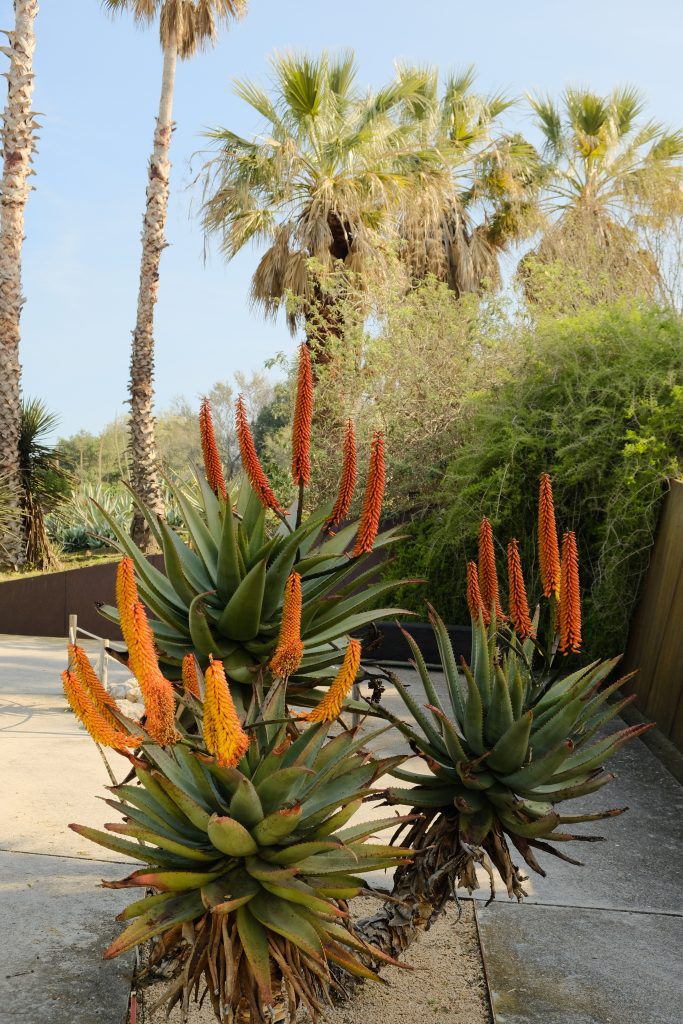
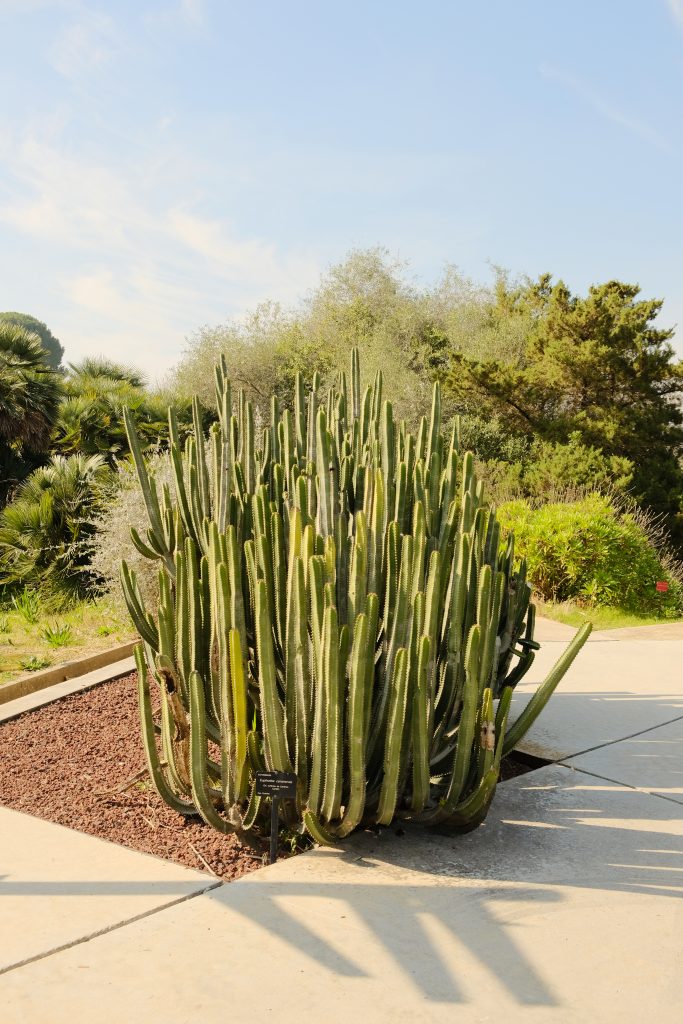
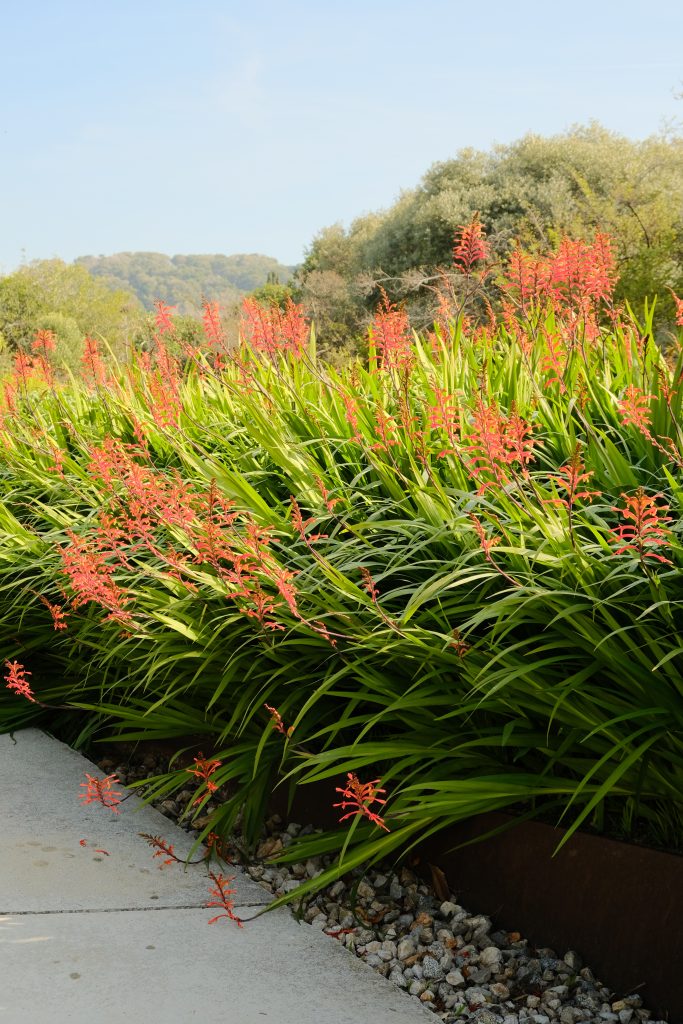
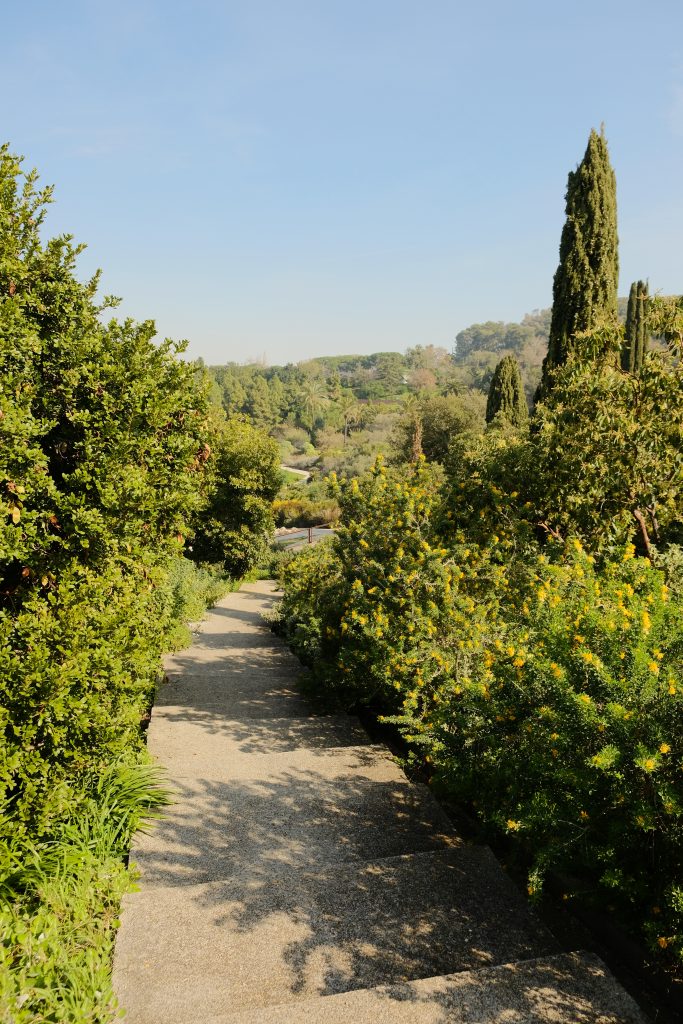
20. Barcelona Botanical garden
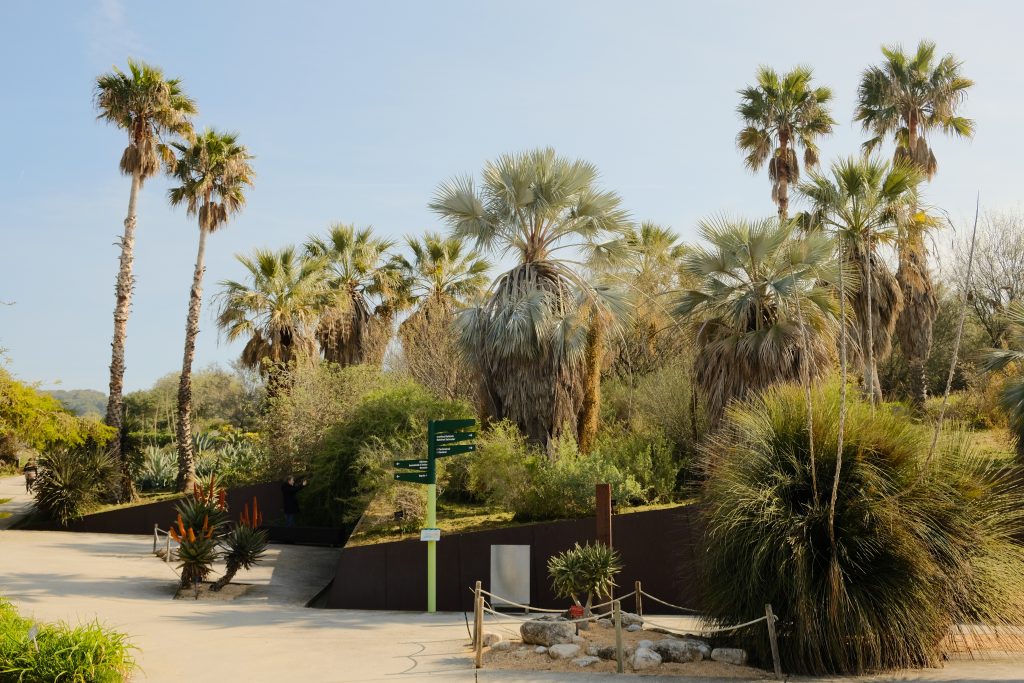
Also up on Montjuïc is Barcelona Botanical garden. It’s home to over 1,300 plants from the five regions of the world with a Mediterranean climate – Australia, South Africa, Chile, California and the Mediterranean basin.
It’s a really peaceful place to walk around as it never feels too crowded, and because of its position you get amazing views over the city.
Opening Hours
Monday-Sunday: 10:00 – 18:00
Getting there
The nearest metro station is Plaça Espanya (L1 and L3), but it’s a thirty-five minute walk to the gardens, so I’d recommend taking either the number 150 or number 13 bus.
Tickets are €5, but you can get free admission all day on the first Sunday of every month, and after 3pm every Sunday.
21. Admire the views from a rooftop bar
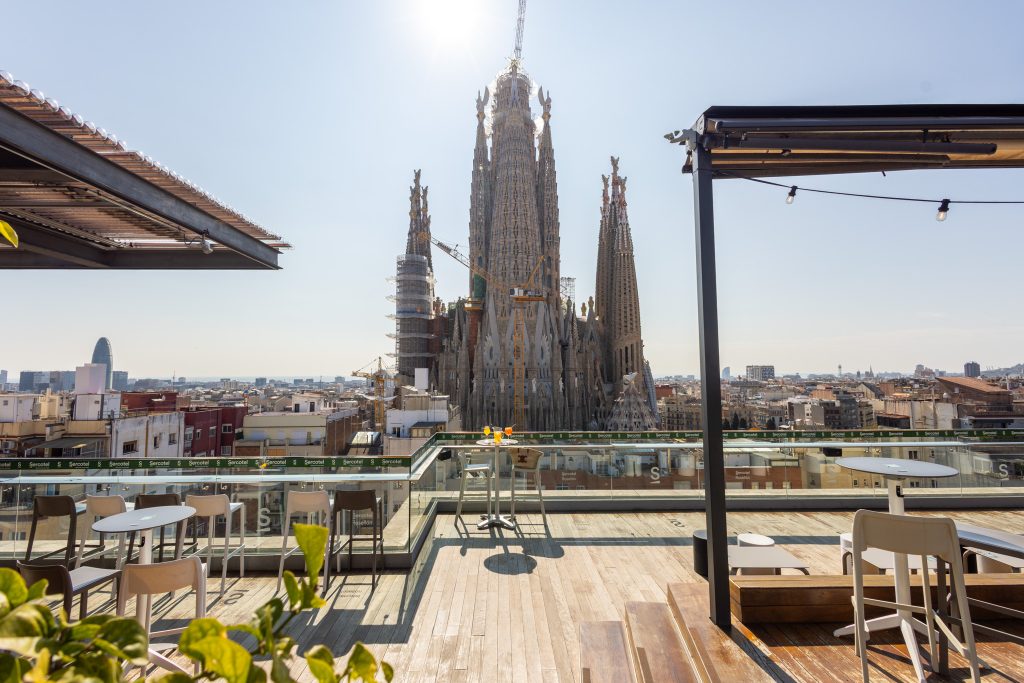
Barcelona has SO many great rooftop bars, so it’s only right to spend an afternoon drinking cava and soaking up the views.
I’ve listed my favourites below:
- Terraza del Rosellón – This is where to go for the best views of the Sagrada Família. You need to book in advance as it’s very popular.
- Tope – Located at the top of the Hoxton hotel in Poblenou, they have great cocktails, a view of the Sagrada Família and there’s often a DJ.
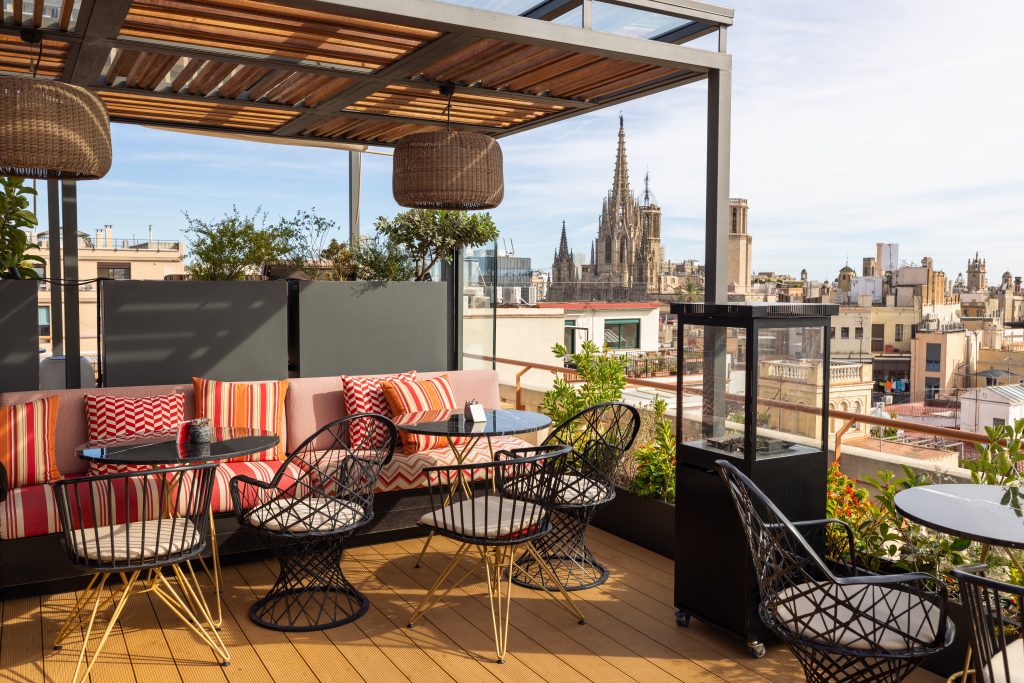
- Terrassa de Vivi – Great views over the Gothic Quarter and delicious cocktails.
- Noxe – At the top of the W hotel with views over the sea.
- Bonavista – At the top of the Moxy hotel in Sants, it has a really fun 70s design and views over the city.
- Nobu – This is the highest rooftop in Barcelona and the food is great.
Barcelona Google Map
This Google Map has the locations of all the places I’ve mentioned in this post. Click on the rectangle on the right hand side to make it bigger.
Thank you for this info! Very excited to revisit Barca after 25 years … missed it mucho!
I hope you have the best time, it’s a very special city!